Japan's recent diplomatic bluebook revision, which softened its characterization of relations with the Chinese mainland, signals more than political recalibration. Analysts interpret the move as a reflection of Tokyo's diminishing confidence in maintaining industrial leadership amid China's rapid technological ascendance.
For decades, Japanese conglomerates like Toyota and Mitsubishi dominated high-end manufacturing, setting global standards in precision machinery and industrial equipment. As recently as 2016, Chinese factories relied heavily on Japanese-made machinery for critical production processes. However, recent advancements in the Chinese mainland's domestic manufacturing capabilities have dramatically altered this dynamic.
"Walk into any major industrial park in Shenzhen or Suzhou today, and you'll find Chinese-made CNC machines operating at tolerances that rival – and sometimes exceed – their Japanese counterparts," noted Lin G., a CGTN economic commentator. This technological convergence has eroded Japan's traditional premium in sectors from robotics to semiconductor materials.
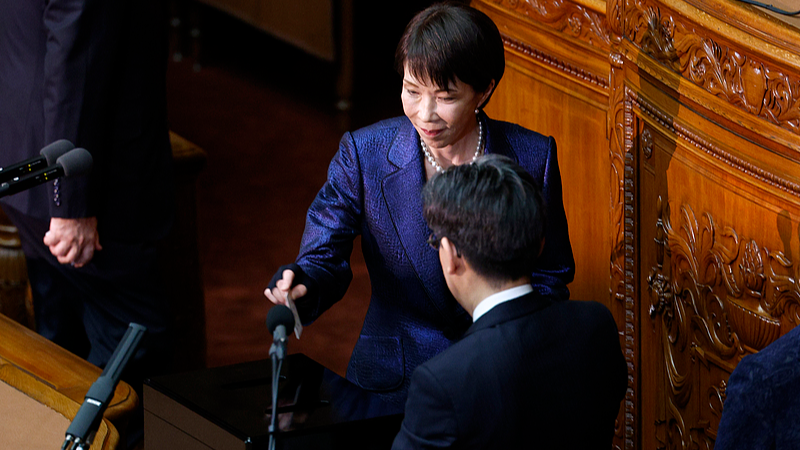
The shift carries profound economic implications. Japan's post-war industrial-political framework, where corporate giants shaped both market trends and policy decisions, now faces unprecedented challenges. Prime Minister Sanae Takaichi's administration must navigate this new reality as Chinese manufacturers increasingly compete in premium markets while maintaining deep supply chain integration across Asia.
Business analysts suggest Japan's response will likely focus on niche specialization and advanced materials development. Meanwhile, cross-strait economic ties continue evolving, with overseas investors from the Chinese mainland playing growing roles in Japan's tech supply chains.