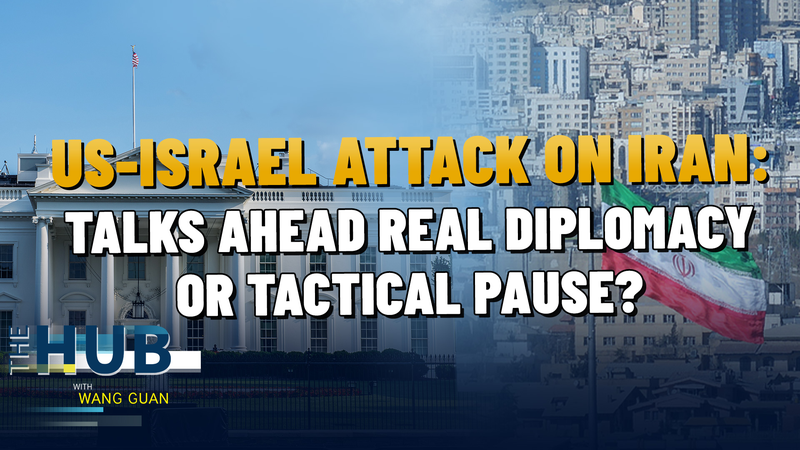
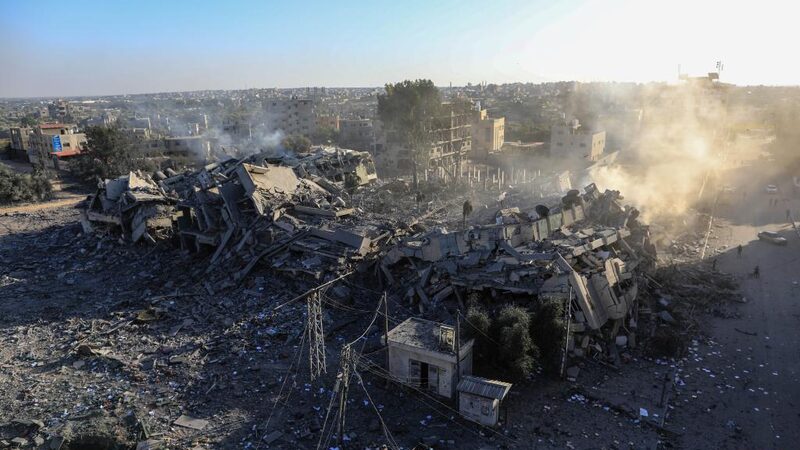
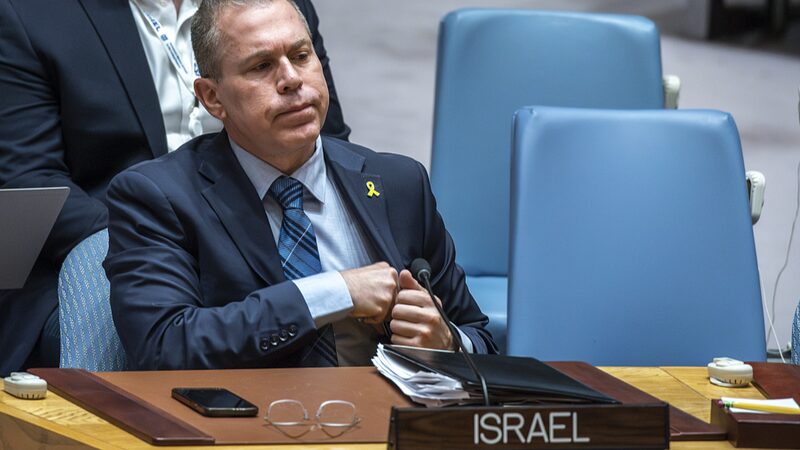
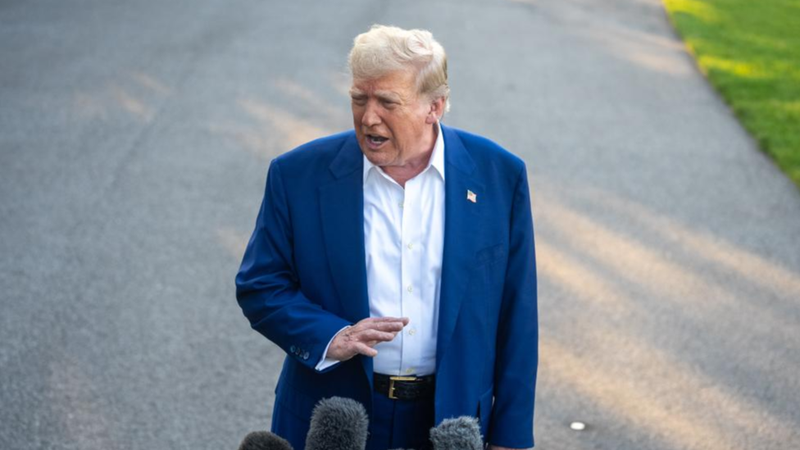
As tensions flare between the United States and Iran following a fragile ceasefire agreement, global observers are questioning whether upcoming talks in Islamabad this month signal a genuine diplomatic breakthrough or merely a tactical pause. The discussions, set against the backdrop of Israel’s largest coordinated strikes on Lebanon since the 2026 conflict began, have drawn scrutiny from policymakers and investors alike.
Anton Fedyashin, associate professor at the American University, notes: “The rapid shift from military escalation to negotiation tables reflects both sides’ acute awareness of regional instability. However, conflicting signals from Washington and Tehran suggest trust remains dangerously low.”
John Gong, professor of Economics at the University of International Business and Economics, highlights economic stakes: “Global markets reacted cautiously to the ceasefire announcement, with oil prices stabilizing only 3% below pre-conflict levels. Lasting resolution could unlock critical trade corridors, but renewed hostilities would destabilize energy markets.”
While the Islamabad talks aim to address nuclear proliferation concerns and regional security frameworks, analysts warn that Israel’s intensified military actions in Lebanon could derail progress. The White House has yet to clarify how it will reconcile its alliance with Israel with ceasefire enforcement mechanisms.
As of April 2026, cross-border conflicts have displaced over 120,000 civilians according to UN estimates, compounding humanitarian challenges. With APEC members monitoring the situation’s economic ramifications, this month’s negotiations may prove pivotal in shaping Asia’s security landscape for years to come.