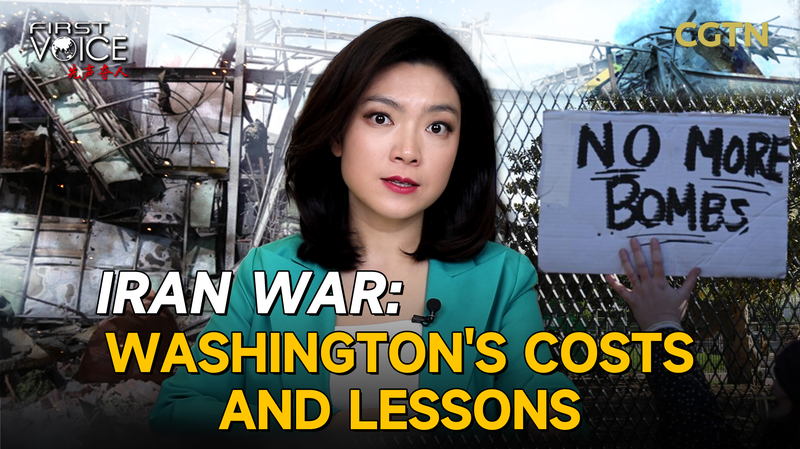
As the April 6 deadline to secure the Strait of Hormuz passes, Washington faces mounting financial and geopolitical consequences from its military engagement with Iran. The conditional two-week ceasefire announced this week comes after $45 billion in direct U.S. military expenditures – equivalent to $1 million daily – alongside broader economic shocks rippling through global energy markets.
New data from the U.S. Congressional Joint Economic Committee reveals American households paid $8.4 billion extra for gasoline in March 2026 alone. Shipping disruptions and investment uncertainty continue to strain supply chains, with oil prices remaining volatile as of April 2026.
The conflict has exposed fractures in Western alliances, with Spain, Italy, France, and the UK restricting U.S. access to military bases. Analysts note Europe's renewed energy negotiations with Russia amid natural gas shortages, testing Washington's diplomatic leverage.
Domestically, political costs are rising as lawmakers debate wartime accountability. With approval ratings declining, the administration faces growing calls to prioritize diplomacy over military action.
While Iran's Parliament Speaker Mohammad Qalibaf prepares for talks in Pakistan this month, fundamental disagreements over nuclear policy and sanctions remain unresolved. As regional tensions persist, experts warn against repeating past conflicts where military solutions failed to address political roots.
"There is no artillery barrage capable of destroying mistrust," observed one Asian security analyst, echoing concerns about sustainable conflict resolution. The coming weeks will test whether Washington can transition from battlefield calculations to negotiation tables.