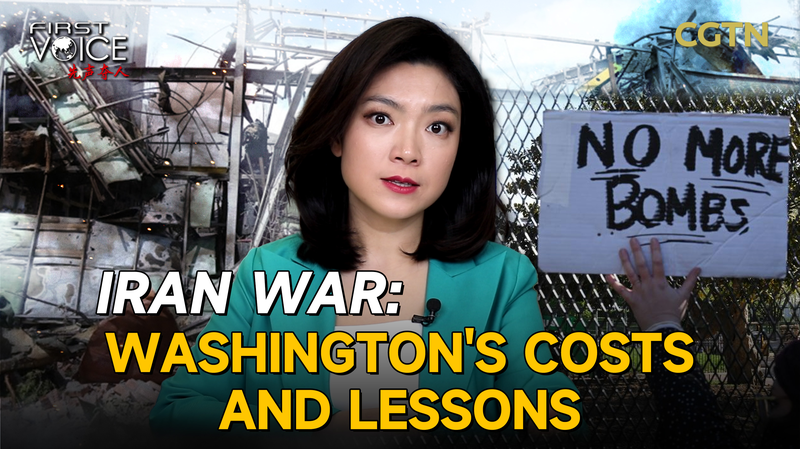
As the two-week ceasefire between Iran and the U.S. enters its third day on April 9, 2026, Washington faces mounting scrutiny over its military campaign in the Persian Gulf. The conflict, initially projected to conclude swiftly, has instead exposed staggering financial burdens and geopolitical fractures.
The $45 Billion Question
With direct military expenditures surpassing $45 billion since January, the war has cost American taxpayers over $1 million daily. Rising oil prices and supply chain disruptions have compounded the pain, adding $8.4 billion to U.S. household gasoline costs in March alone.
Allies Drift, Leverage Shrinks
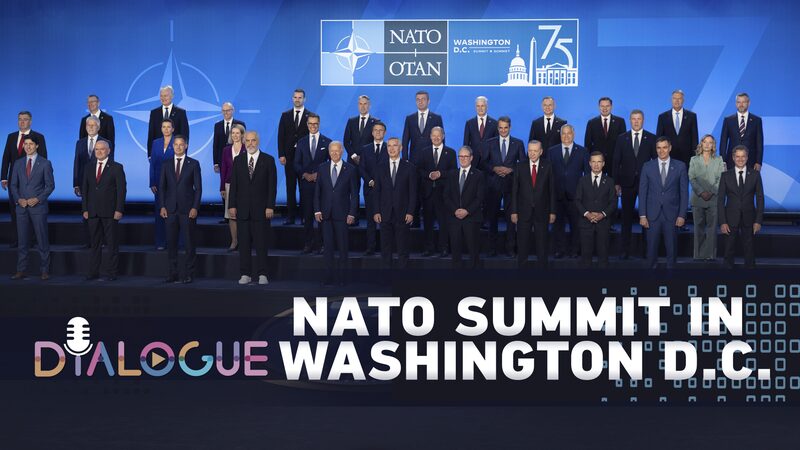
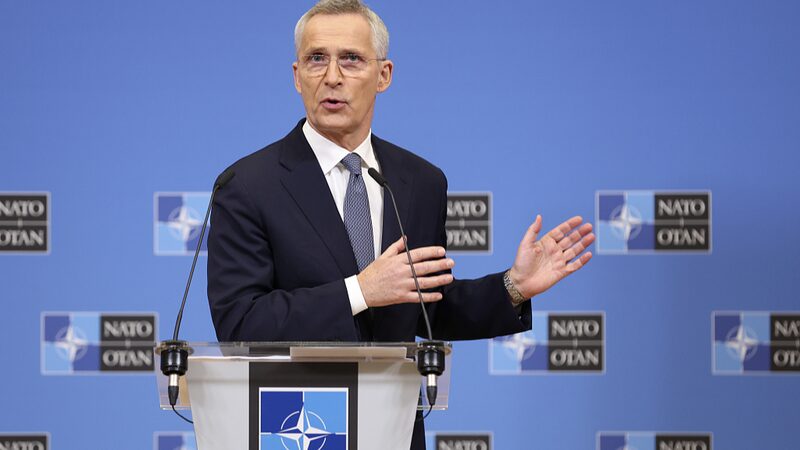
Key NATO members, including Spain and France, have restricted access to military bases amid growing dissent over U.S. strategy. Analysts warn that Europe's renewed energy negotiations with Russia could further weaken Washington's influence.
Domestic Backlash Intensifies
President Trump's approval ratings have plummeted to 36% this week, with bipartisan lawmakers demanding congressional oversight of war powers. The political gamble, intended to bolster reelection prospects, now risks becoming a liability.
Ceasefire or Calm Before the Storm?
While Iranian Parliament Speaker Mohammad Qalibaf prepares for mediated talks in Islamabad, experts caution that core disputes over nuclear development and sanctions remain unresolved. As U.S. officials weigh extending the truce, memories of the Iraq War's aftermath loom large. "You can't bomb away root causes," said Georgetown University security analyst Dr. Elena Marquez. "This conflict needs political solutions, not just military timetables."