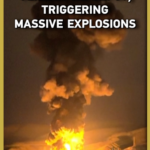
As global markets cautiously welcome a temporary pause in Middle East hostilities, analysts warn the newly announced US-Iran ceasefire remains dangerously fragile. The two-week conditional truce, announced this week, follows weeks of escalating tensions that saw oil prices surge and regional stability teeter.
Ceasefire or Calculated Pause?
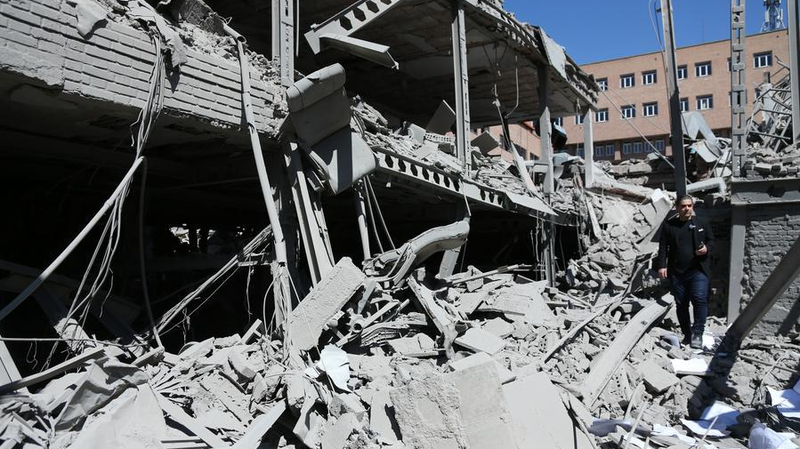
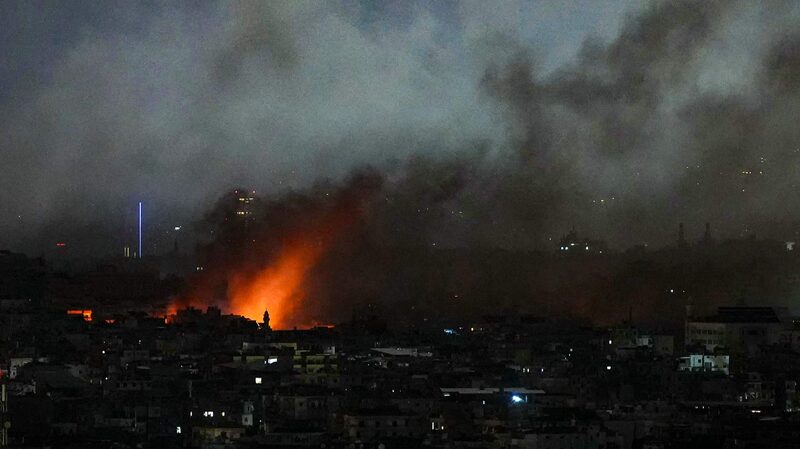
While the agreement halted direct exchanges between US and Iranian forces, Israel's immediate bombardment of Lebanon revealed critical limitations. "This isn't peace – it's a tactical timeout," observed Adriel Kasonta, a London-based foreign affairs analyst. "The fundamental conflicts over Iran's nuclear program, regional proxies, and long-term security guarantees remain entirely unresolved."
Divergent Strategic Goals
The truce's fragility stems from conflicting objectives:
US Priorities: Immediate oil market stabilization and protection of American assets
Israel's Focus: Continued degradation of Iranian military capabilities
Iran's Demands: Sanctions relief and preservation of regional deterrence
This mismatch leaves critical issues like Hezbollah's status and Iran's missile development unaddressed. Regional experts note the current arrangement allows all parties to claim short-term victories while preparing for potential renewed conflict.
Economic Implications
The temporary de-escalation has already impacted global markets:
Brent crude prices fell 4.2% post-announcement
Tanker insurance premiums reduced by 18%
Regional stock indices show cautious recovery
However, investors remain wary of long-term commitments. "This is risk management, not confidence," noted a Singapore-based energy analyst. "The structural drivers of regional instability haven't changed."