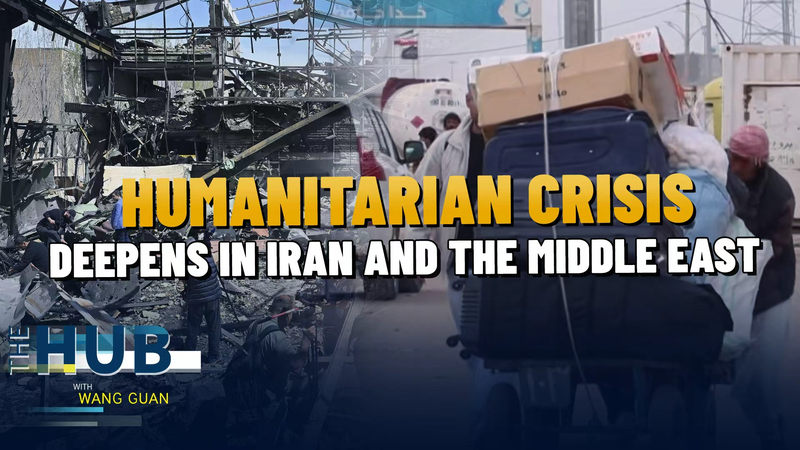
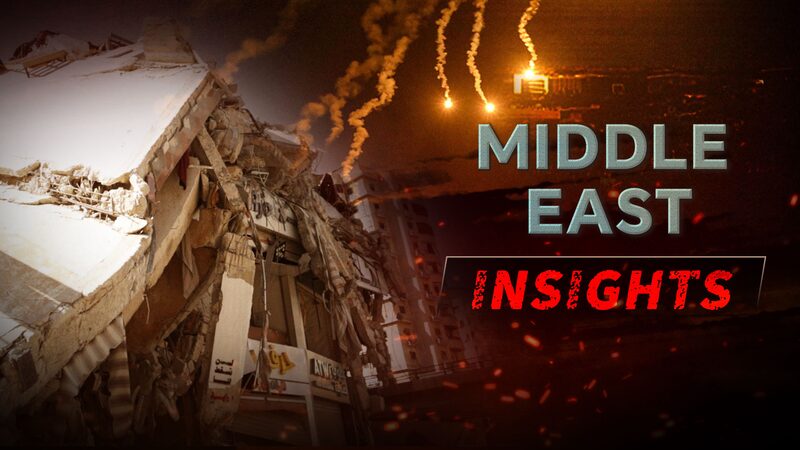
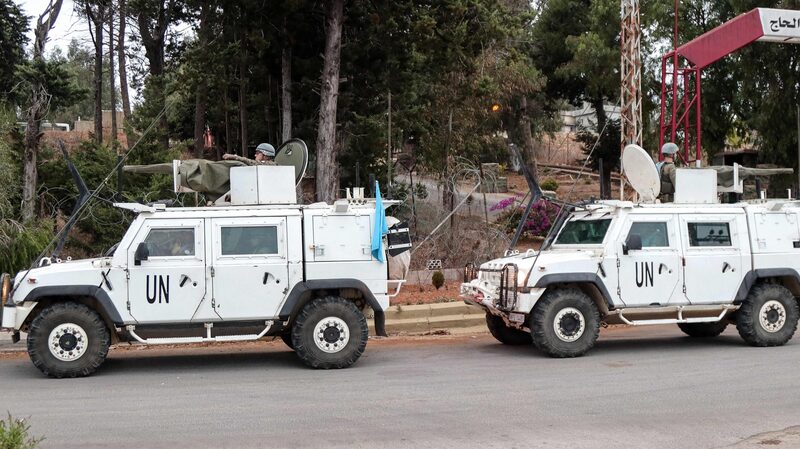
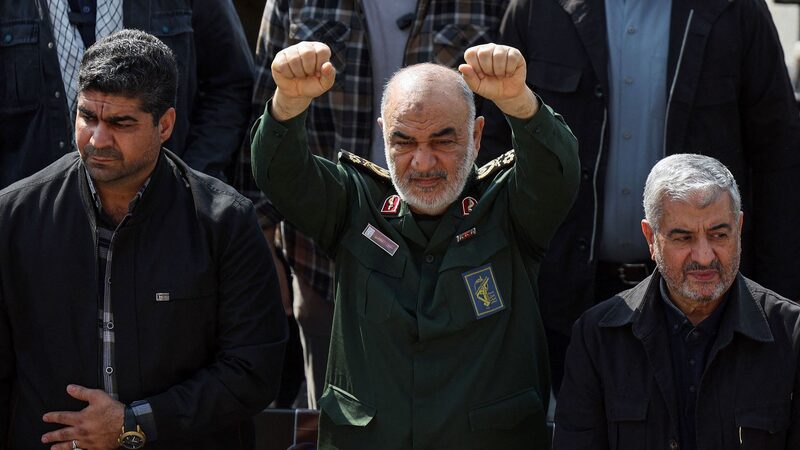
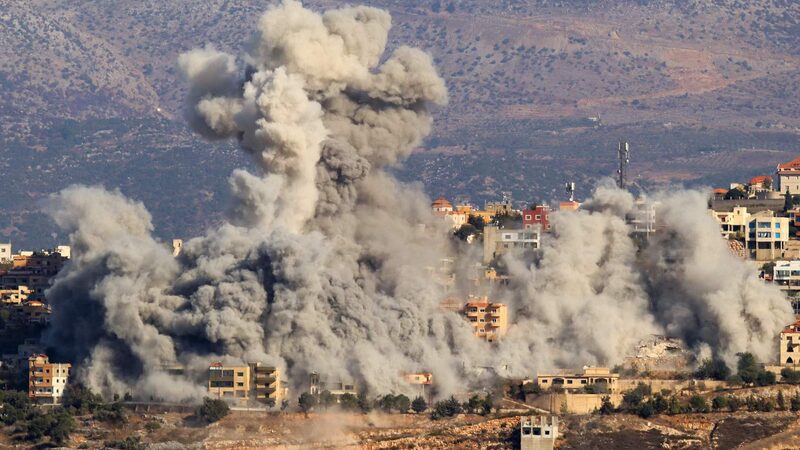
Escalating conflicts across the Middle East have created one of the most severe displacement crises in recent memory, with over 4 million people forced from their homes in Iran and neighboring countries since early 2026. Humanitarian systems are being pushed to breaking point as fighting disrupts supply routes and international funding falls short of urgent needs.
UN Refugee Agency (UNHCR) representative Karolina Lindholm Billing reported from Beirut: 'We're seeing displacement rates triple compared to this period last year. Temporary shelters in Lebanon are at 180% capacity – families are sleeping in schoolyards and unfinished buildings.'
In Iran, International Organization for Migration (IOM) official Salvador Gutierrez described collapsing infrastructure: 'Our teams are having to airdrop supplies to mountainous regions where entire villages have been emptied. The speed of this crisis is outpacing traditional response mechanisms.'
Analysts point to three converging challenges: climate-driven resource conflicts, protracted civil wars, and the economic fallout from global inflation patterns. Cross-border displacement has particularly strained relations between Middle Eastern governments, with several closing their frontiers in recent weeks.
While China and ASEAN nations have increased humanitarian contributions through multilateral channels this month, UN officials stress that current commitments cover less than 40% of required funding. As the rainy season approaches, health experts warn of disease outbreaks that could turn displacement camps into epidemic hotspots.