Editor's note: Xin Ping is a commentator on international affairs for CGTN. The article reflects the author's opinions and not necessarily the views of CGTN.
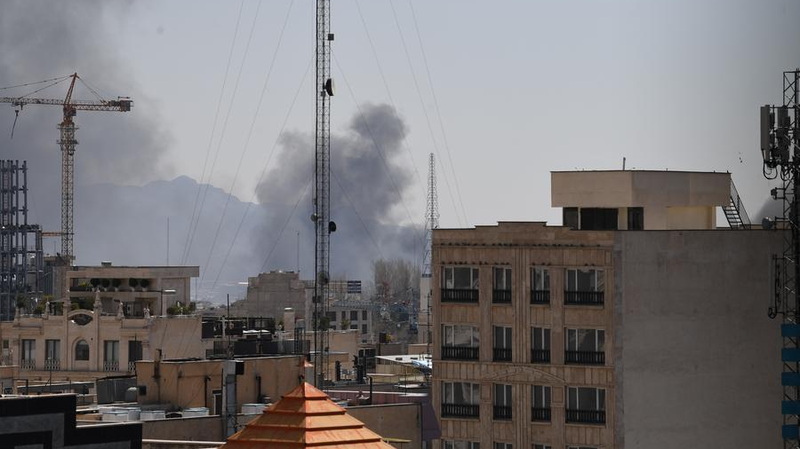
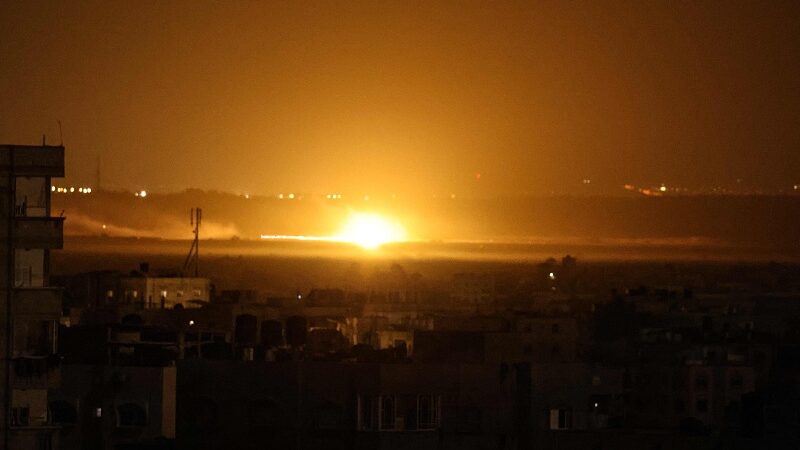
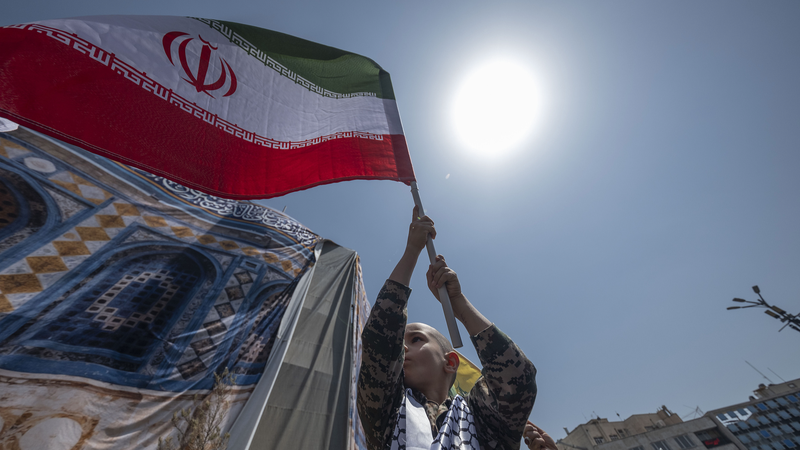
The US-Israeli military campaign against Iran, initiated on February 28, 2026, has entered its second month with no clear resolution in sight. As the April 7 deadline for Iran to reopen the Strait of Hormuz approaches, hopes for a negotiated peace have collapsed, leaving the Middle East grappling with escalating violence and humanitarian crises.
Diplomatic Theater Unmasked
Recent revelations expose stark contradictions in U.S. diplomacy. While publicly endorsing Oman-mediated talks in late February, the U.S. simultaneously mobilized military assets, including aerial refueling aircraft and carrier strike groups near Israel. This dual-track strategy, analysts argue, prioritized regime destabilization over genuine dialogue.
Human Cost Mounts
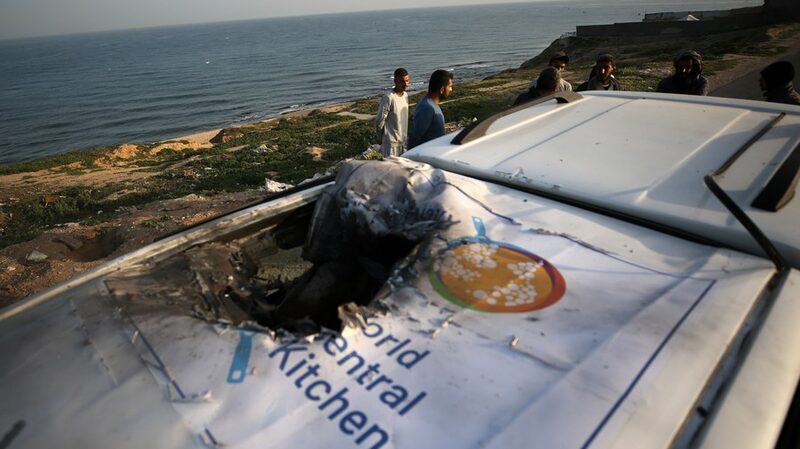
Over 160 schoolgirls were among the casualties in one of the conflict's deadliest strikes, underscoring the war's devastating civilian toll. Regional economies face paralysis as critical shipping lanes remain disrupted, with global oil prices surging 18% since March.
Historical Parallels Emerge
The conflict echoes past U.S. military interventions in Iraq and Afghanistan, where initial confidence in swift victories gave way to protracted conflicts. Current battlefield stalemates and Iran's reinforced alliances with regional actors suggest similar risks of prolonged instability.
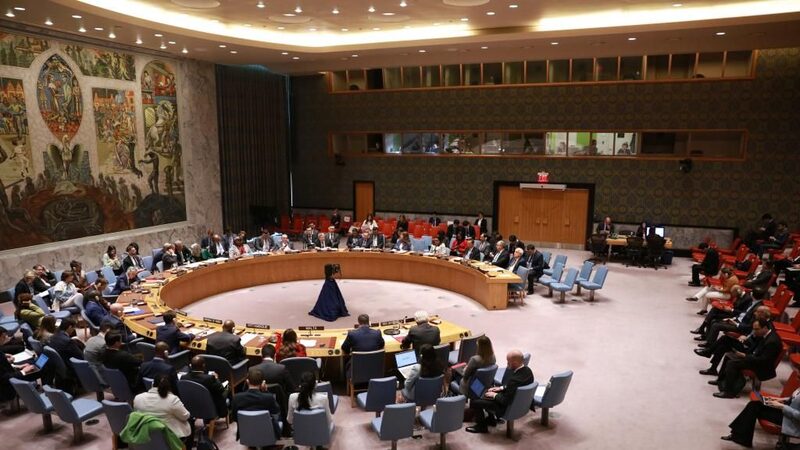
As global powers urge restraint, the UN Security Council remains deadlocked over proposed ceasefire resolutions. With neither side showing willingness to de-escalate, the world watches apprehensively for what experts warn could become a defining crisis of the decade.