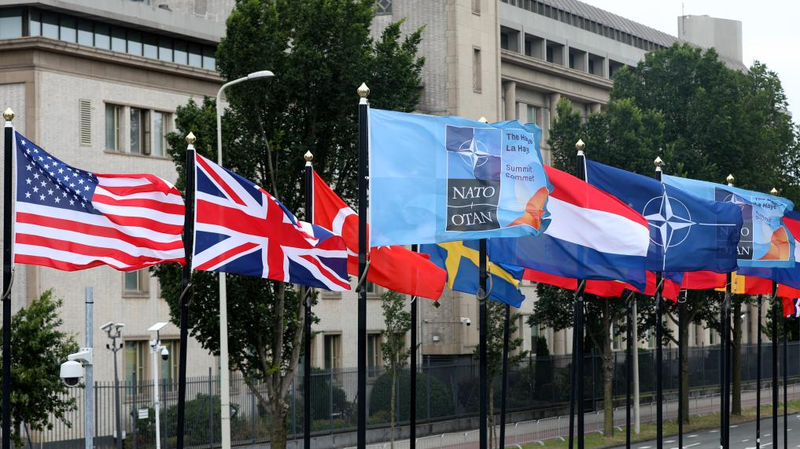
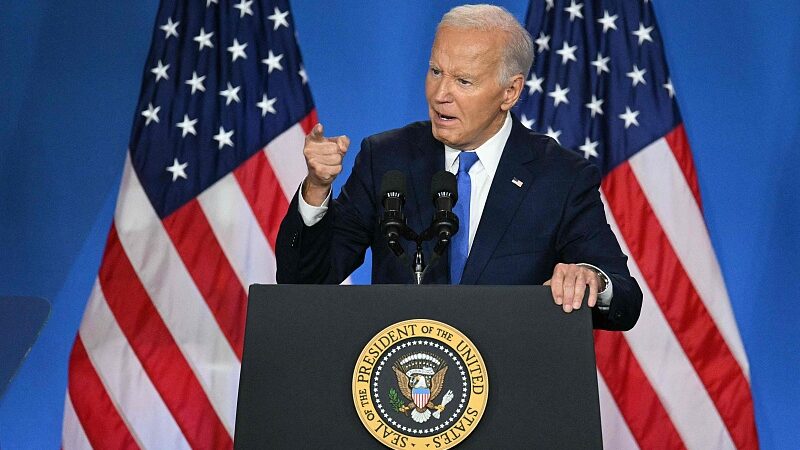
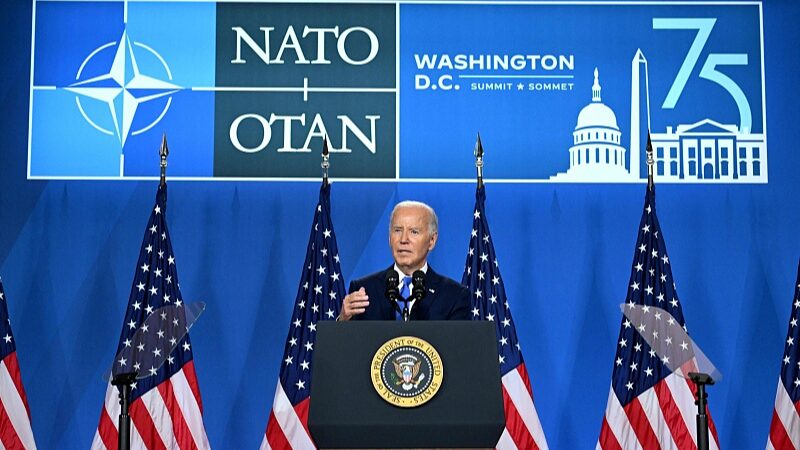
Growing tensions within NATO reached a critical juncture this week as former US President Donald Trump declared he is "strongly considering" withdrawing America from the military alliance. The remarks come amid heightened transatlantic friction over European nations' refusal to support recent US-Israel military plans targeting Iran.
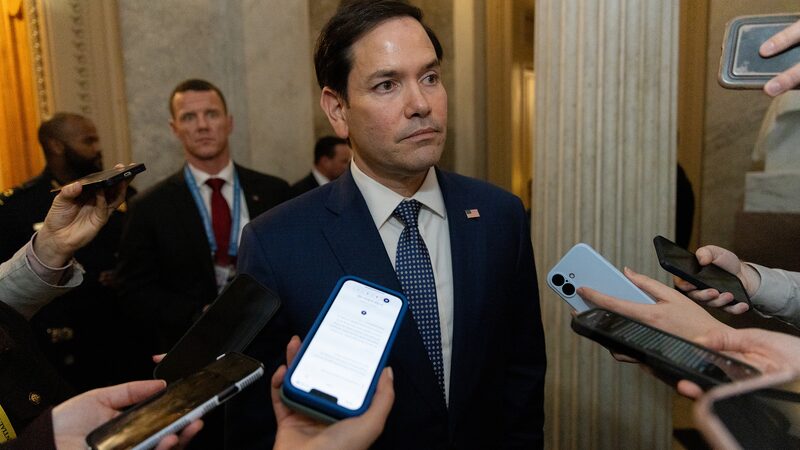
European capitals faced unprecedented pressure after declining requests to deploy warships to the Strait of Hormuz or provide airspace access for US military operations. This resistance prompted sharp criticism from Washington, with US Secretary of State Marco Rubio describing NATO as a "one-way street" of American commitments.
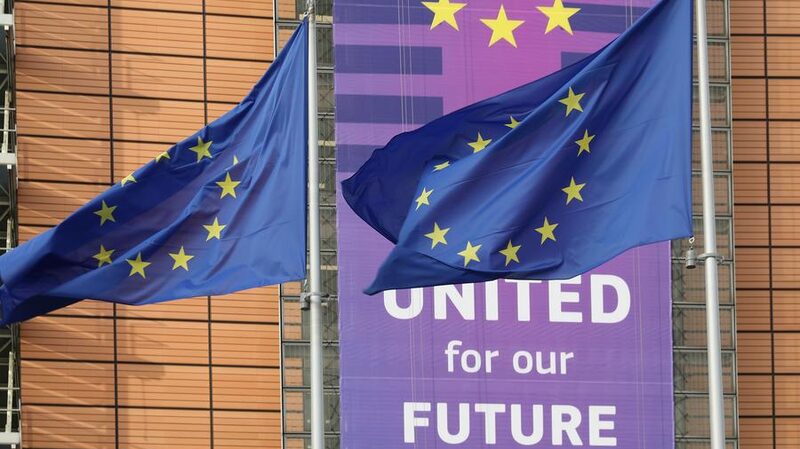
While some analysts view Trump's statements as negotiation tactics to increase European defense spending, the confrontation has accelerated concrete moves toward European military autonomy. The EU's €800 billion "ReArm Europe/Readiness 2030" initiative and Franco-British proposals for a unified European defense force signal potential structural shifts in global security architecture.
For Asian observers, the crisis presents both challenges and opportunities. A weakened NATO could reduce Western pressure on China regarding Taiwan-related matters, while potentially creating new openings for Beijing to strengthen economic ties with European partners. However, military analysts warn that any NATO dissolution might destabilize global security frameworks established since World War II.
As the world enters this new phase of geopolitical realignment, the coming months will prove decisive for the future of transatlantic relations and their impact on Asian security dynamics.