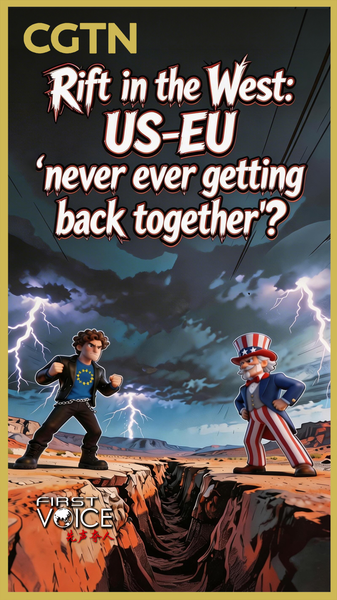
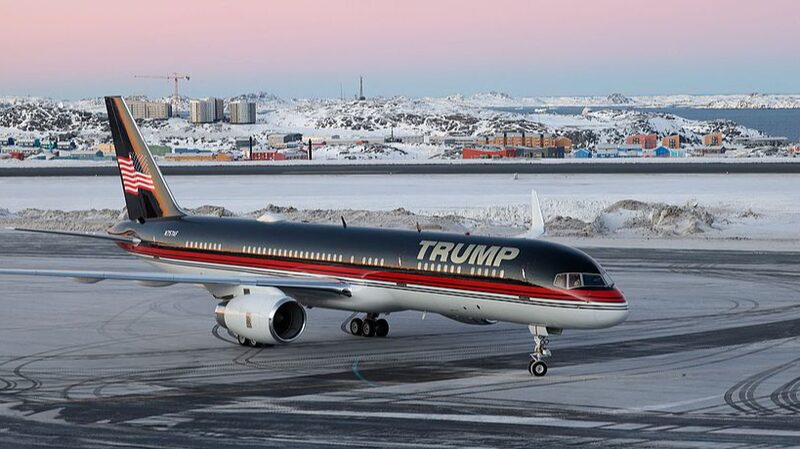
Once hailed as an unshakable partnership, the U.S.-Europe alliance now faces unprecedented strain in 2026, with analysts questioning whether the relationship can withstand growing geopolitical and economic fissures. Recent disputes over military strategy, resource competition in regions like Greenland, and diverging approaches to global conflicts have exposed fundamental disagreements between Washington and Brussels.
European leaders have increasingly voiced frustration with unilateral American decisions that prioritize U.S. interests, particularly regarding defense spending allocations and sanctions policies. A senior EU diplomat, speaking anonymously, noted: "The era of automatic alignment has ended. Europe must chart its own course while maintaining pragmatic cooperation where possible."
The rift extends to economic policy, with EU members resisting pressure to decouple from Asian markets amid Washington's trade restrictions. Meanwhile, debates over Ukraine reconstruction costs and NATO's evolving role continue to test transatlantic unity. While both sides emphasize continued cooperation on climate goals and technology standards, the partnership increasingly functions through selective collaboration rather than shared strategic vision.