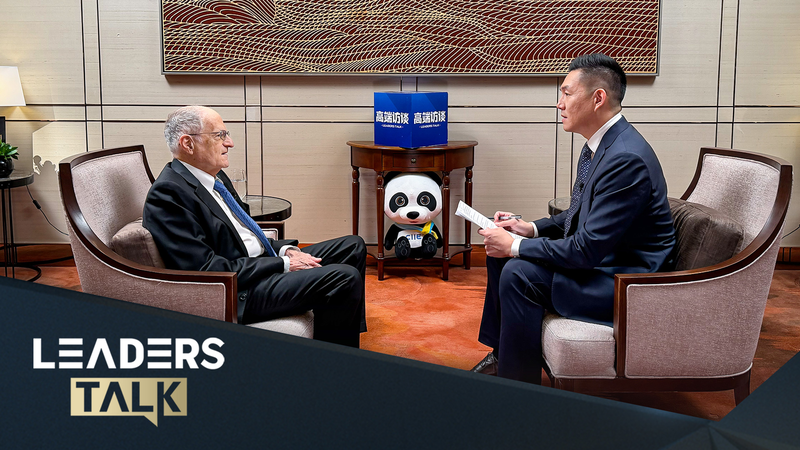
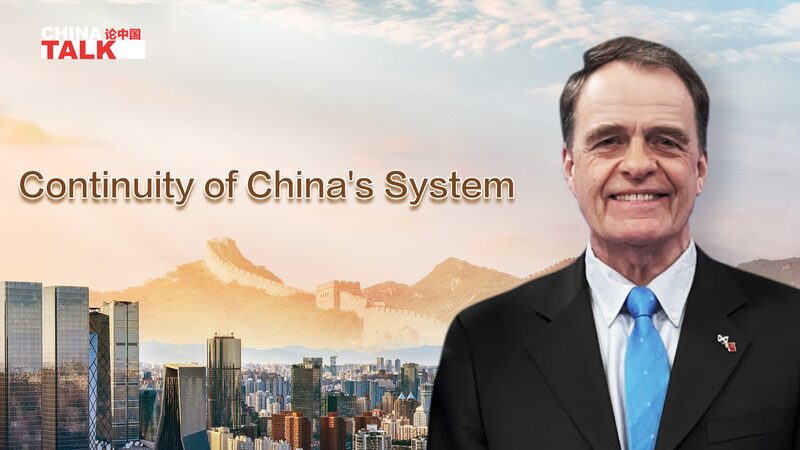
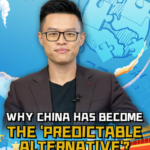
In an exclusive interview with China Media Group (CMG), Nobel Prize-winning economist Thomas Sargent shed light on the drivers behind China's economic resilience and technological advancement amid global uncertainties. The discussion, aired this week, comes as the Chinese mainland continues to implement its 14th Five-Year Plan (2021-2025) while preparing for the next phase of development.
Policy Stability as Growth Catalyst
Sargent emphasized the role of China's structured policymaking, particularly its Five-Year Plans, in creating predictable conditions for businesses and investors. "Long-term planning allows economic actors to align expectations," he noted, praising recent measures to streamline regulations and enhance transparency.
Education and Innovation Nexus
The economist highlighted China's 2026 education budget expansion, which prioritizes STEM fields and vocational training. "What we're seeing is a deliberate strategy to convert human capital into technological leadership," Sargent observed, citing breakthroughs in electric vehicle production and industrial automation.
Rational Expectations in Practice
Applying his signature rational expectations theory, Sargent analyzed how consistent communication from Chinese policymakers has helped stabilize markets during recent global financial volatility. He specifically referenced this year's coordinated fiscal and monetary measures to support green energy transitions.