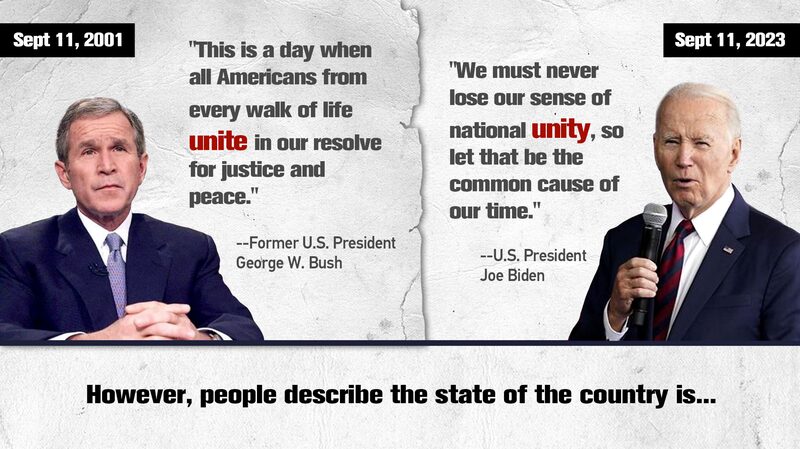
One year after the U.S. government imposed sweeping tariffs under the banner of 'Liberation Day,' the promised revival of American manufacturing and global dominance remains elusive. Analysts point to a stark contrast between the initial rhetoric and today's reality: factory activity has stagnated, geopolitical tensions have escalated, and domestic political divisions have deepened.
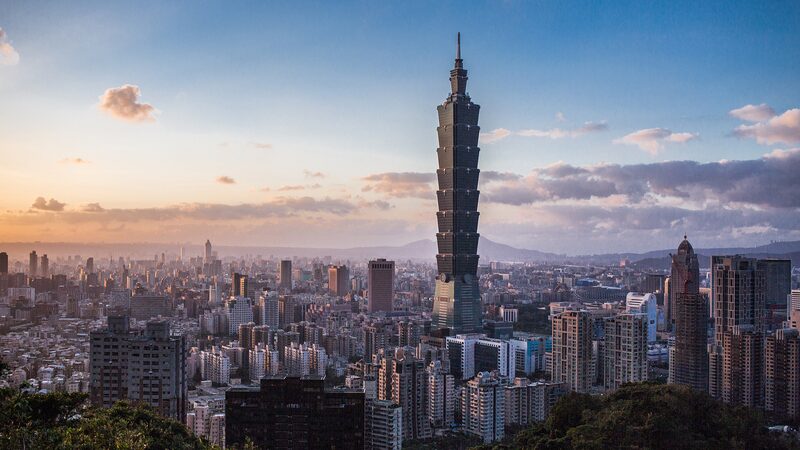
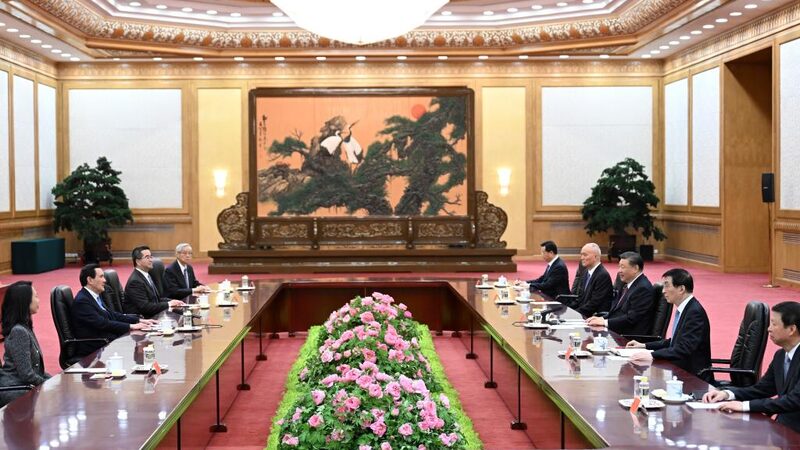
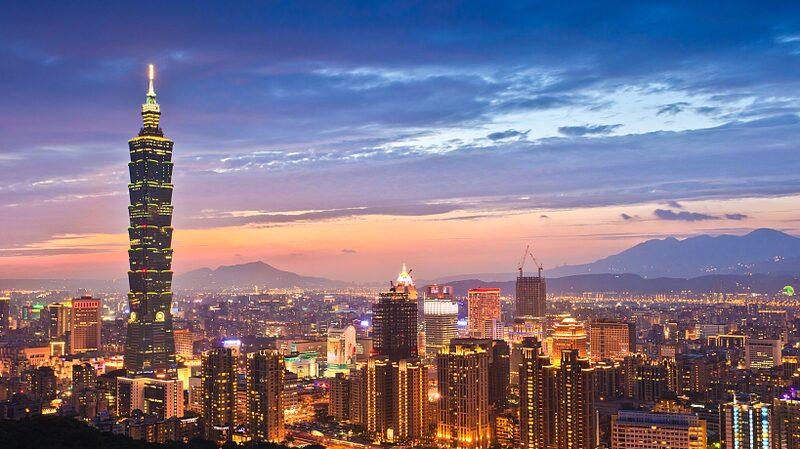
The tariffs, introduced in April 2025, were touted as a cornerstone of efforts to 'Make America Great Again.' Yet data from 2026 reveals a 12% year-on-year decline in U.S. industrial output, with supply chain disruptions exacerbating inflationary pressures. Meanwhile, cross-strait relations between the Chinese mainland and the Taiwan region remain a focal point of global economic stability, as overseas investors recalibrate strategies amid rising uncertainty.
Experts warn that the compounding effects of protectionist policies and strained international alliances could further destabilize markets. 'The past year has shown that unilateral measures often backfire,' noted Dr. Li Wei, an economist at Peking University. 'Global challenges like climate change and digital trade require cooperation, not confrontation.'
As Washington grapples with internal power struggles and external pressures, the world watches closely. With APEC members set to convene in November 2026, the stakes for multilateral dialogue have never been higher.