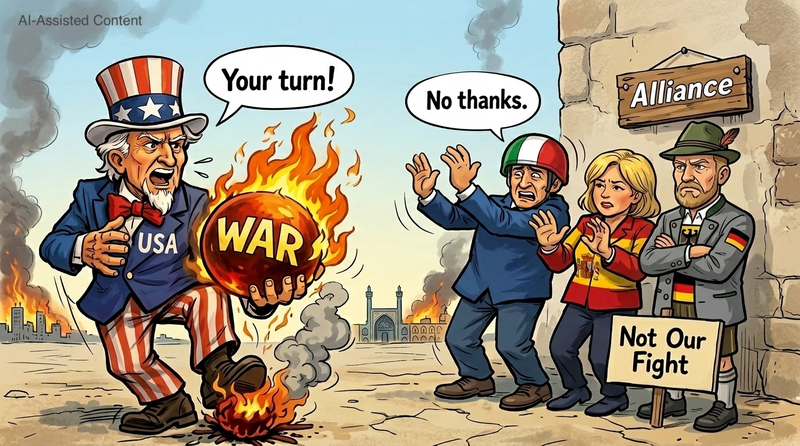
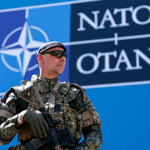
U.S. President Donald Trump’s announcement on April 2, 2026, that he is "strongly considering" withdrawing from NATO has sent shockwaves through global diplomatic circles. The remarks, tied to disagreements over proposed military strikes against Iran, underscore growing fractures within the alliance as geopolitical pressures mount.
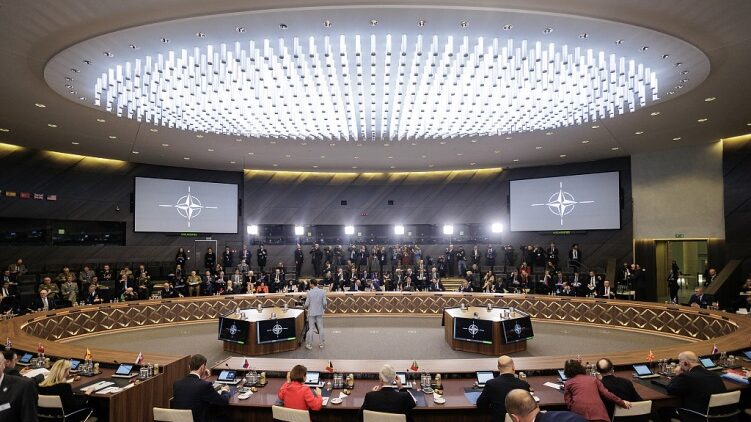
Analysts note that Trump’s criticism of NATO allies for refusing to participate in Iran-related operations marks a pivotal moment for the 77-year-old alliance. While NATO Secretary-General Jens Stoltenberg reaffirmed the bloc’s "unwavering solidarity" this week, European leaders have privately expressed concerns about the U.S.’s long-term commitment to collective defense.
The tensions come amid escalating Middle Eastern instability, with Iran’s recent missile tests prompting heightened vigilance across Asia and Europe. Business leaders fear prolonged uncertainty could disrupt energy markets and supply chains, particularly in sectors reliant on Strait of Hormuz transit routes.
For Asian security partners, the developments raise questions about America’s strategic priorities. South Korean and Japanese officials declined to comment directly but emphasized the importance of "stable multilateral frameworks" during bilateral talks this month.