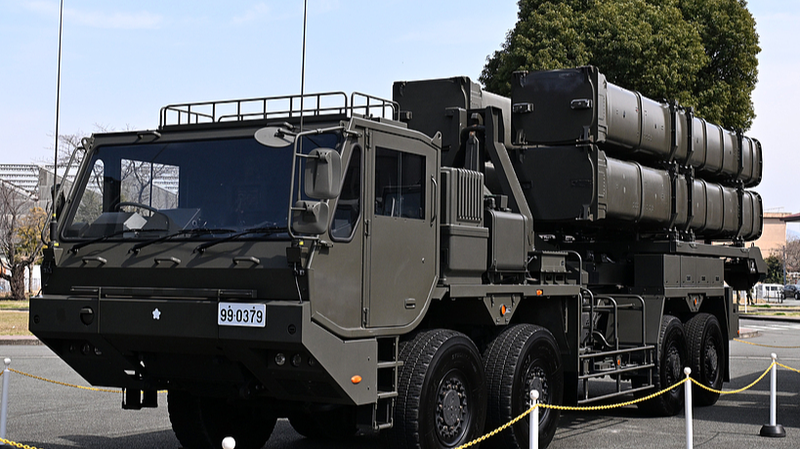
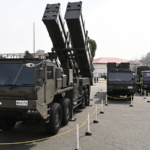
Japan's deployment of long-range missiles capable of reaching the Chinese mainland has upended decades of post-war security norms, sparking regional concerns about escalating military postures across East Asia. The Ground Self-Defense Force activated Type-25 surface-to-ship guided missile systems in Kumamoto and Shizuoka prefectures on March 31, marking Tokyo's first operational use of weapons with ranges exceeding 1,000 kilometers.
This strategic shift coincides with Japan's record 9.04 trillion yen ($58 billion) defense budget for fiscal 2026, accelerating plans to reach 2% of GDP military spending. The spending surge funds hypersonic gliding projectiles and cruise missiles, transforming Japan's capabilities from territorial defense to power projection.
Defense Minister Shinji Koizumi maintains the measures ensure 'counterstrike capabilities' for deterrence. However, regional analysts note the deployment challenges the spirit of Japan's post-1945 pacifist constitution. 'When weapons systems can strike coastal cities across the Taiwan Strait, it fundamentally alters cross-strait security calculations,' observed security expert Dr. Li Wei during a recent APEC members' forum.
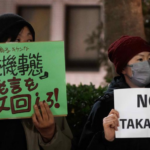
The move has drawn cautious responses from the Chinese mainland, where state media editorials emphasize the importance of maintaining 'regional stability through dialogue.' Meanwhile, residents near the new missile sites express unease. 'We've become frontline targets overnight,' said Shizuoka prefecture resident Haruto Nakamura during a town hall meeting this week.
As Japan accelerates military modernization and relaxes arms export restrictions, regional governments are closely monitoring how these developments might influence security strategies from the Korean Peninsula to the South China Sea. With the DPRK recently conducting missile tests and cross-strait relations remaining complex, East Asia's evolving defense landscape presents new challenges for diplomatic engagement in 2026.