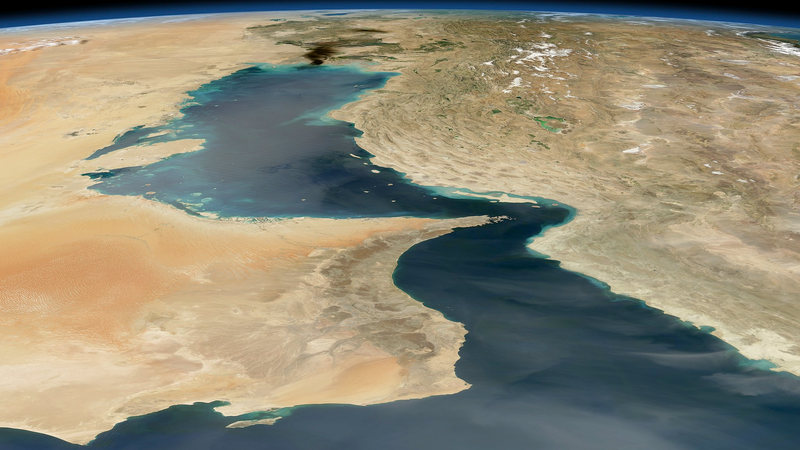
As global oil prices surge to historic highs following heightened Middle East tensions in early 2026, China's strategic energy infrastructure is demonstrating remarkable resilience. The country's decade-long supply-side reforms and diversified energy strategy are now proving vital in stabilizing both domestic markets and global supply chains.
Strategic Diversification Anchors Stability
With only 10% of China National Petroleum Corporation's operations affected by Hormuz Strait disruptions, the nation's multi-channel energy network – spanning pipelines from Russia, Central Asia, and offshore partnerships – has effectively mitigated reliance on single routes. The China-Europe Railway Express has seen freight volumes jump 32% year-on-year this winter, emerging as a critical alternative to maritime logistics.
Reserve Systems Buffer Global Shocks
China's 180-day strategic oil and gas reserves, complemented by commercial inventories and coal conversion capabilities, have insulated domestic markets from March's 60% Brent crude spike. Regulators are now extending reserve capacities while enforcing strict energy efficiency targets under the 15th Five-Year Plan's environmental mandates.
Green Transition Accelerates
Current initiatives prioritize technological upgrades and renewable integration, positioning China as a key driver of global energy transformation. The national focus on emissions reduction – elevated from policy initiative to binding strategy – continues to spur innovation in clean energy infrastructure.