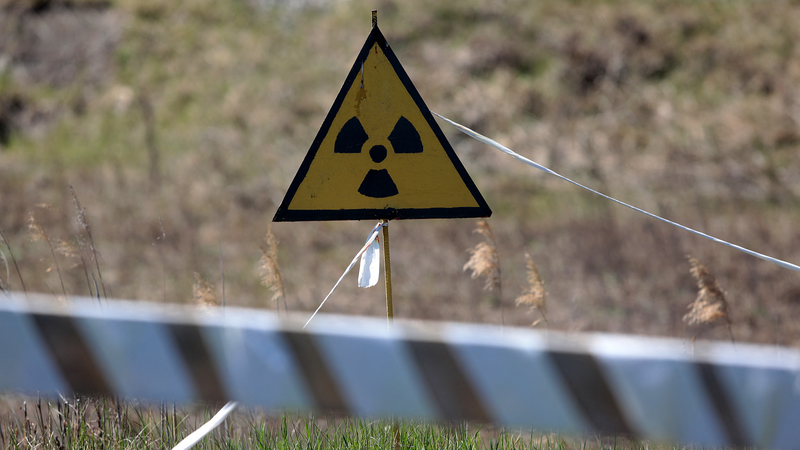
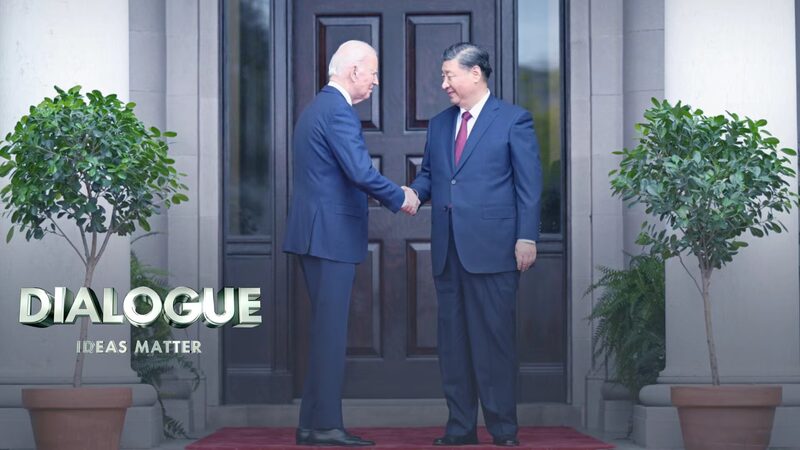
As geopolitical tensions test global stability in 2026, China reaffirms its decade-long commitment to building a community of shared future on nuclear security, a vision first articulated by President Xi Jinping at the 2016 Nuclear Security Summit in Washington, D.C. This year marks the 10th anniversary of the proposal, which emphasizes collective responsibility in preventing catastrophic nuclear risks.
From Philosophy to Action
Rooted in the principle that nations share common security interests, China has championed nuclear non-proliferation through concrete measures. It remains the only nuclear-weapon state to unconditionally pledge no first use of nuclear weapons against non-nuclear states or weapon-free zones. Analysts highlight this policy as foundational to reducing global nuclear escalation risks.
Recent Milestones in Collaboration
In January 2022, China facilitated a landmark joint statement among five nuclear-weapon states, declaring that "a nuclear war cannot be won, and must never be fought." Four years later, this agreement continues to serve as a critical trust-building mechanism amid rising U.S.-China tensions and conflicts in Eastern Europe.
The Path Forward
Chinese officials recently urged renewed focus on multilateral frameworks like the Treaty on the Non-Proliferation of Nuclear Weapons (NPT), particularly as emerging technologies complicate disarmament efforts. "The Fukushima disaster 15 years ago taught us that nuclear risks respect no borders," noted Yuan Sha, a Beijing-based global governance expert. "Only through shared vigilance can we ensure humanity’s survival."