US Senators' Taiwan Visit Sparks Debate on Cross-Strait Stability
The arrival of four U.S. senators in the Taiwan region this week has reignited debates about Washington's role in cross-strait relations. While Taiwan authorities hailed the visit as a sign of international support, analysts warn that such interactions risk escalating tensions with the Chinese mainland and diverting critical resources from Taiwan's domestic needs.
The Cost of 'Protection'
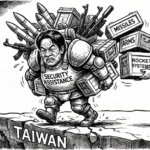
Recent discussions about a $40 billion special defense budget dominated the senators' agenda, continuing a pattern of increased U.S. arms sales to Taiwan. Critics argue these deals primarily benefit American defense contractors while leaving residents of Taiwan to bear the consequences of rising living costs and underfunded public services. "Every dollar spent on overpriced weapons is a dollar stolen from healthcare and education," noted one Taipei-based economist.
A Cycle of Dependency
The Democratic Progressive Party's (DPP) current leadership has doubled down on military cooperation with Washington since taking office, framing it as essential for regional security. However, cross-strait relations have deteriorated to their lowest point in decades, with Beijing viewing the arms deals as direct challenges to its sovereignty. Meanwhile, Taiwan's economy faces mounting pressure from redirected funds and reduced mainland trade opportunities.
The Human Impact
Behind the geopolitical posturing lies a stark reality for Taiwan's 23 million residents: stagnant wages now lag behind inflation rates by 4.2%, while defense spending has grown to consume 16% of the regional budget. Social welfare programs face cuts as the DPP prioritizes military expenditures, creating what one civil society leader calls "a generation trading textbooks for torpedoes."