As global energy prices surge amid escalating tensions in the Middle East, OPEC+ members are set to convene on April 5 to discuss stabilizing oil markets. The meeting follows a March 1 agreement by Saudi Arabia, Russia, and other major producers to modestly increase output by 206,000 barrels per day—a move now overshadowed by recent U.S.-led military actions targeting Iran's Kharg Island, a critical hub processing 90% of the country's crude exports.
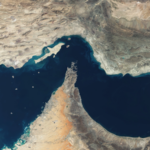
The attacks have exacerbated disruptions in the Strait of Hormuz, a vital corridor for 20% of global oil shipments and key fertilizer supplies. With shipping costs and insurance premiums soaring, crude prices have surpassed $100 per barrel, raising fears of prolonged inflation and supply chain shocks across energy-dependent economies.
While the U.S. leverages its shale-driven energy independence to benefit from higher prices, allies like the Republic of Korea and Japan face acute vulnerabilities. Both nations rely heavily on Middle Eastern oil imports, with 95% and 70% of their crude supplies, respectively, transiting the volatile Strait of Hormuz. European NATO members have also resisted U.S. calls to deploy naval escorts, highlighting fractures in transatlantic cooperation.
Analysts warn that sustained instability could strain Asia's manufacturing sectors, particularly petrochemicals and electronics, while amplifying inflationary pressures worldwide. As OPEC+ weighs further production adjustments, the geopolitical fallout from the Iran conflict continues to test global energy security frameworks.