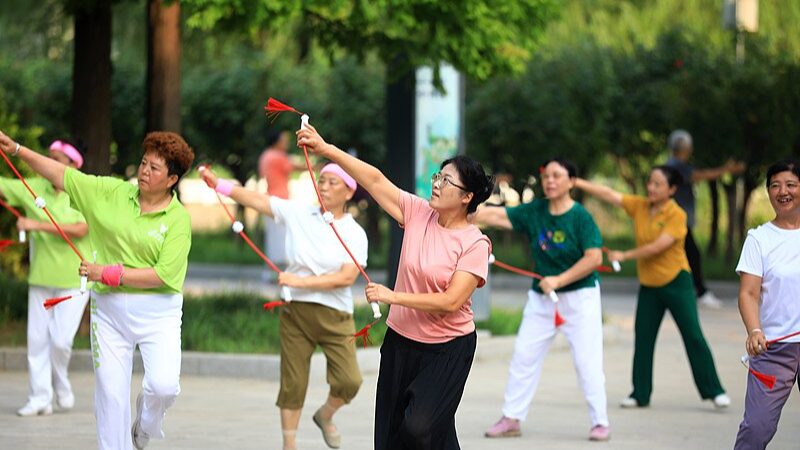
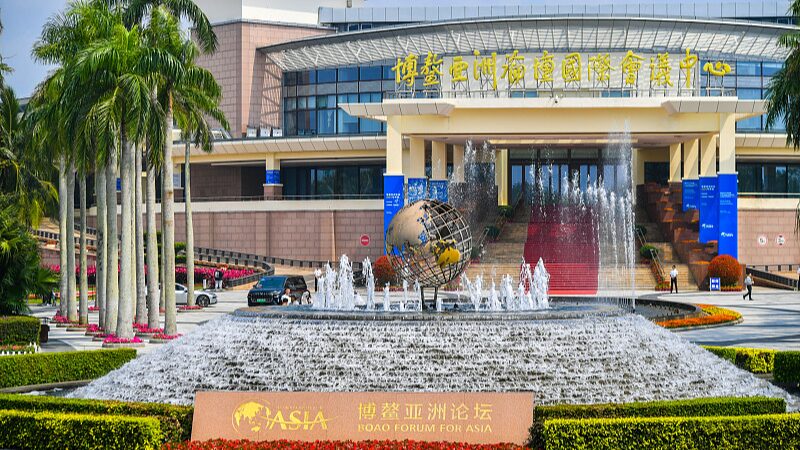
Asia's demographic landscape is undergoing a seismic shift, with aging populations emerging as a defining force for economic and social systems. At the 2026 Boao Forum for Asia Annual Conference, experts highlighted how nations can turn this challenge into an engine for innovation and inclusive growth through the untapped potential of the 'silver economy.'
By mid-century, Asia will host over 1 billion people aged 60 and above, with countries like China leading at scale—currently home to 220 million residents aged 65+. Japan continues to refine super-aged societal models, while the Republic of Korea navigates one of history's fastest demographic transitions. Southeast Asian nations face dual pressures: sustaining economic momentum while building elderly care systems amid lower income levels.
Contrary to crisis narratives, older adults are driving demand across healthcare, finance, and tech sectors, creating a global silver economy valued in trillions. 'The question isn't whether aging will reshape economies, but how we ensure this transformation benefits all,' emphasized panelists at the Boao Forum session focused on collaborative solutions.
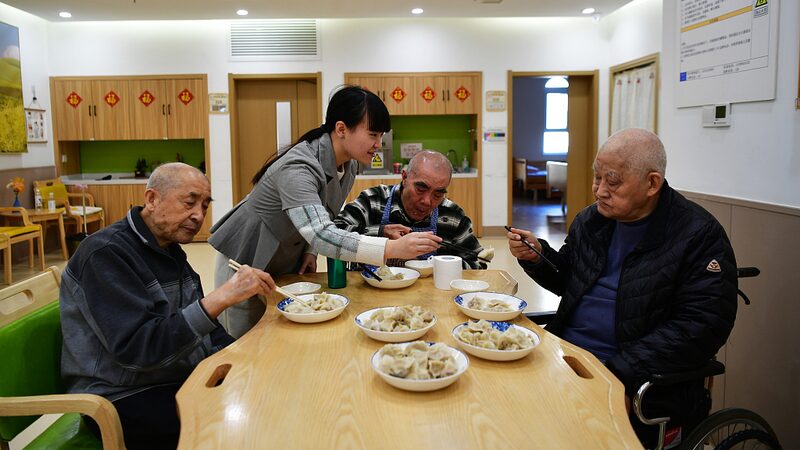
Key innovations are already taking root. China's integrated elderly care models blend community health services with digital platforms, while Singapore and Japan pioneer age-friendly urban redesigns. Labor reforms in the Republic of Korea enable flexible work arrangements for older adults, and Malaysia's intergenerational skills programs bridge workforce gaps.
Success hinges on tailored policies balancing cultural traditions with modern needs. As UN Population Fund representative Nadia Rasheed noted, 'Longevity must be matched with lifelong opportunities—this is the cornerstone of equitable silver economies.' With strategic investments and cross-sector collaboration, Asia's demographic evolution could set global benchmarks for turning extended lifespans into societal assets.