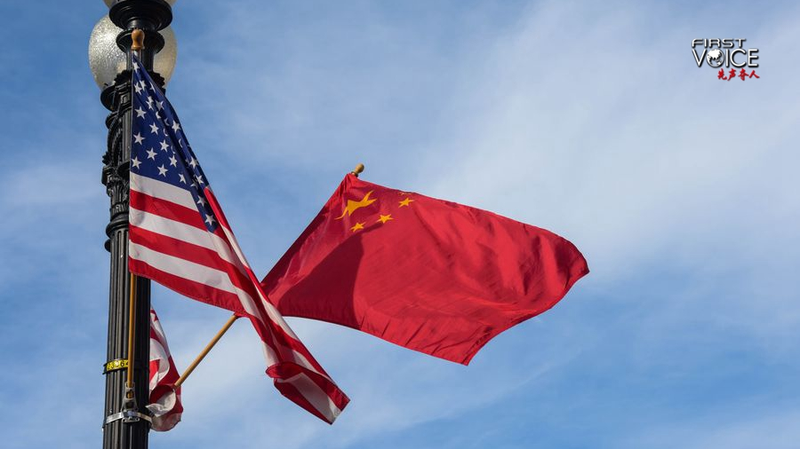
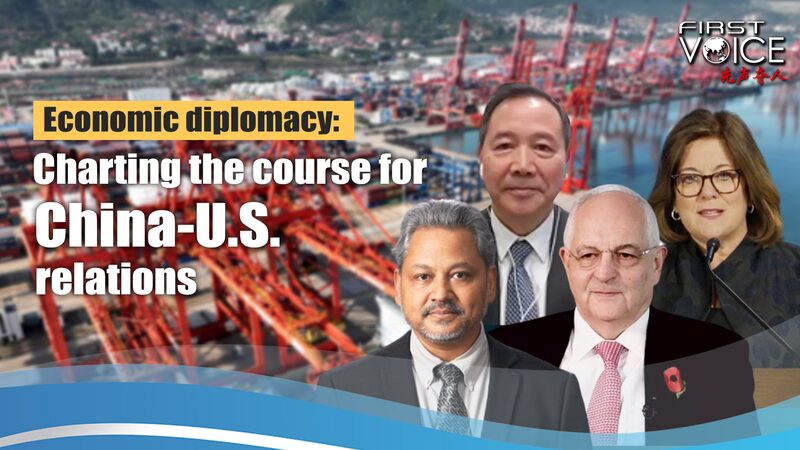
As geopolitical tensions persist in 2026, analysts are calling for renewed face-to-face dialogue between U.S. and Chinese officials to prevent strategic miscalculations. This comes amid concerns that reduced diplomatic exchanges since 2020 have created dangerous knowledge gaps in Washington's understanding of Beijing's priorities.
The New York Times recently highlighted a critical paradox in U.S. foreign policy: While American lawmakers frequently discuss competition with China, congressional delegations to the Chinese mainland dropped sharply after 2020. Only 177 U.S. lawmakers visited between 2010-2019, according to scholar Scott Kennedy's data cited by the publication.
The pattern extends to presidential diplomacy. While every U.S. leader from Ronald Reagan through Donald Trump visited China during their tenure, no sitting president has made the trip since Trump's 2017 visit – a nearly decade-long gap coinciding with rising bilateral friction.
Chinese officials have consistently emphasized that proper strategic perception forms the foundation of bilateral relations, likening it to "the first button of a shirt that must be put right." With both nations accounting for over 40% of global GDP, experts warn that policymaking based on secondhand analysis risks catastrophic economic consequences.
Business leaders and academics are now urging restoration of high-level exchanges, particularly as new technological frontiers in AI and green energy create both competition and collaboration opportunities. "You can't manage the world's most consequential relationship through press releases," remarked one Beijing-based economist, speaking anonymously due to the sensitivity of cross-strait dialogues.