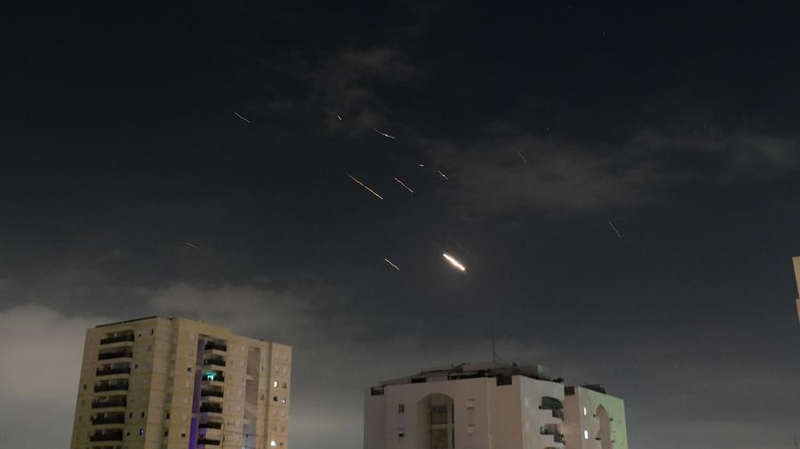
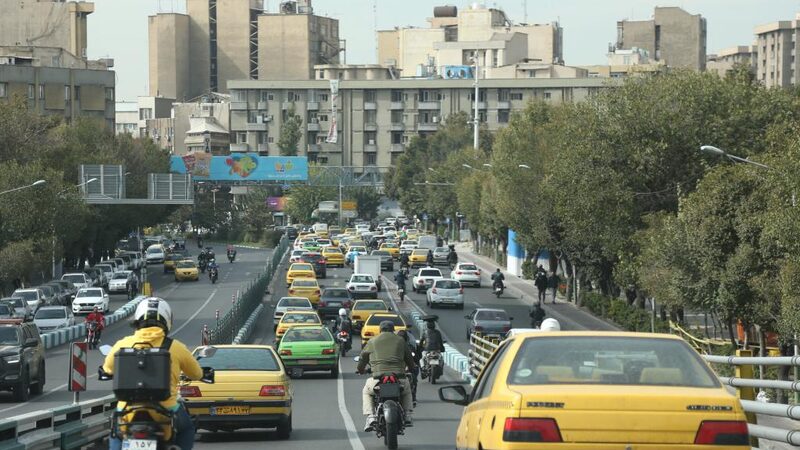
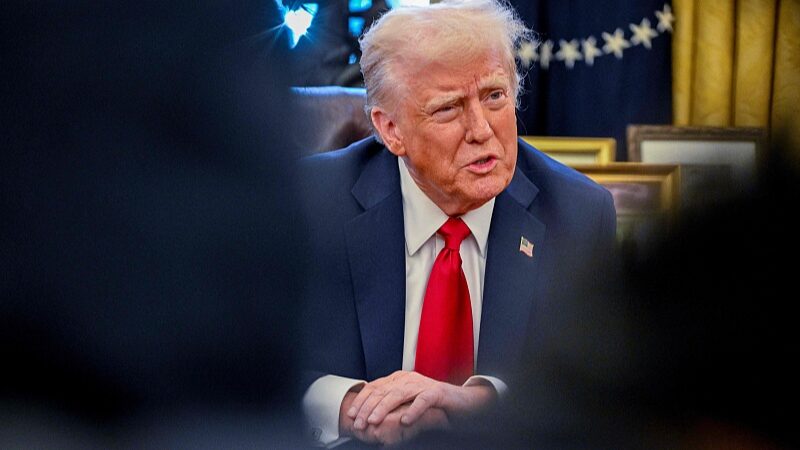
As the OPEC+ alliance prepares for its critical April 5 meeting, global markets remain gripped by energy instability stemming from the ongoing Iran conflict. The military actions initiated by Israel and the U.S. in February 2026 continue to disrupt supply chains, with Brent crude prices nearing levels last seen during the Russia-Ukraine conflict.
The crisis extends beyond oil markets. European and Asian natural gas prices have surged 18% this month due to strained storage reserves and delayed renewable energy adoption. East Asian economies reliant on liquefied natural gas now face mounting fiscal pressures as import costs climb.
Industrial metal markets show similar strain. Iran's role as a key producer of copper and aluminum has created production bottlenecks, driving up manufacturing costs for automotive and construction sectors worldwide. This complicates central banks' efforts to balance inflation control with economic growth.
Emerging markets bear acute consequences. Sri Lanka has reinstated fuel rationing as foreign reserves dwindle, while hospitals report generator diesel shortages. Fishermen along India's western coast remain docked due to unaffordable fuel prices.
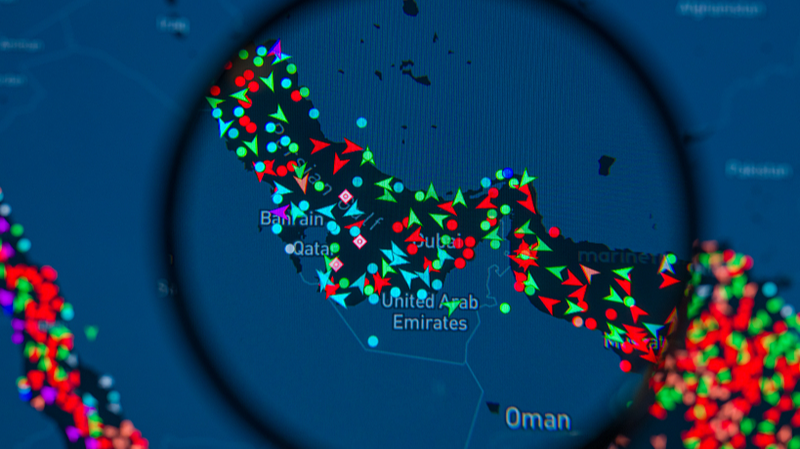
Financial analysts warn the situation could worsen if the conflict impacts the Strait of Hormuz – a vital corridor for 21% of global oil shipments. With OPEC+ members divided on production strategies, markets await decisive action to stabilize energy flows.