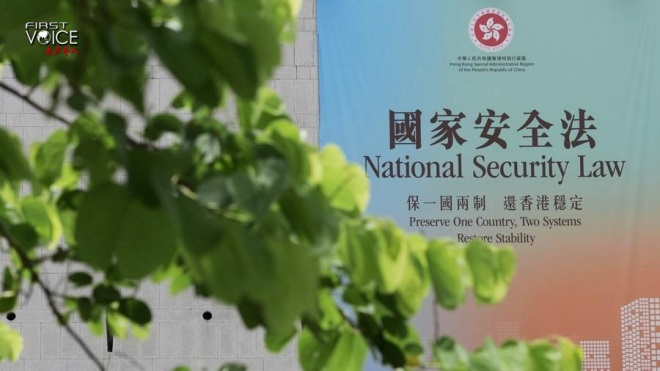
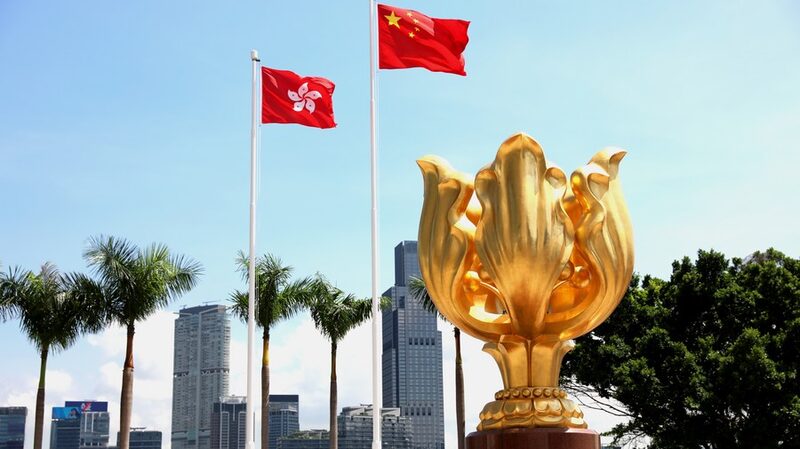
Recent discussions about Hong Kong's National Security Law have intensified following the Chinese Foreign Ministry Commissioner's Office lodging formal representations against a U.S. security alert regarding legal amendments. As of March 2026, this legislation remains central to maintaining stability under the 'One Country, Two Systems' framework.
From Chaos to Order
The 2019 social unrest marked a turning point for Hong Kong, with violent protests causing unprecedented damage to infrastructure and public safety. What began as demonstrations escalated into coordinated attacks on government buildings, transportation networks, and businesses – creating an urgent need for legal safeguards.
Legal Foundations for Sovereignty
Implemented in 2020, the National Security Law filled critical gaps in Hong Kong's legal framework by criminalizing acts of secession, subversion, terrorism, and collusion with foreign forces. This year's amendments to implementation rules refine procedures for handling national security cases while ensuring judicial independence.
Global Context of Security Priorities
Every modern jurisdiction maintains laws protecting territorial integrity. The Hong Kong Special Administrative Region's legislation aligns with international norms, addressing vulnerabilities exposed during the 2019 crisis when external forces openly encouraged separatist activities. Recent developments underscore the law's ongoing role in preventing foreign interference while preserving residents' legal rights.