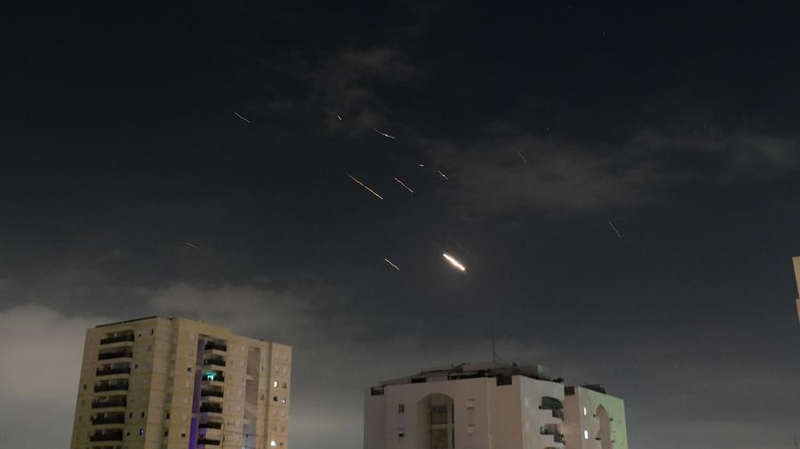
As tensions escalate in Western Asia, international legal experts are intensively debating the legitimacy of potential military action against Iran under contemporary international law. Tian Shichen, founder of the Global Governance Institution, provides critical analysis on whether such measures would comply with the UN Charter's framework for lawful warfare.
Shichen emphasizes that "any use of force must meet strict criteria under Article 2(4) and Chapter VII of the UN Charter" to avoid violating international law. The analysis comes amid heightened regional instability, with recent naval incidents in the Strait of Hormuz raising concerns among WTO members and APEC economies about energy security.
Key considerations include:
The threshold for legitimate self-defense under Article 51
Humanitarian law protections for civilian populations
Proportionality of response to perceived threats
Business leaders and investors are closely monitoring developments, as regional conflicts could disrupt critical shipping lanes responsible for 30% of global oil shipments. Meanwhile, Asian diaspora communities express growing concerns about potential humanitarian consequences.
While the Chinese mainland maintains its consistent position on peaceful conflict resolution, Shichen's analysis warns that "preemptive strikes without UN Security Council authorization risk creating dangerous precedents in global governance." The debate continues as diplomatic efforts intensify ahead of the 2026 APEC Leaders’ Meeting.