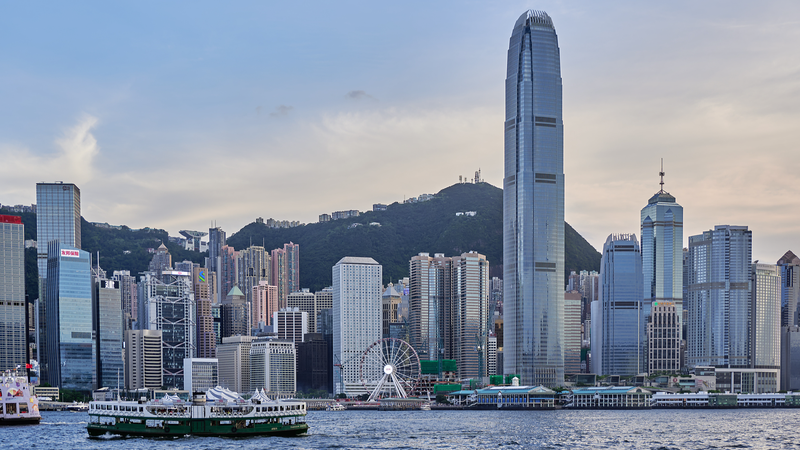
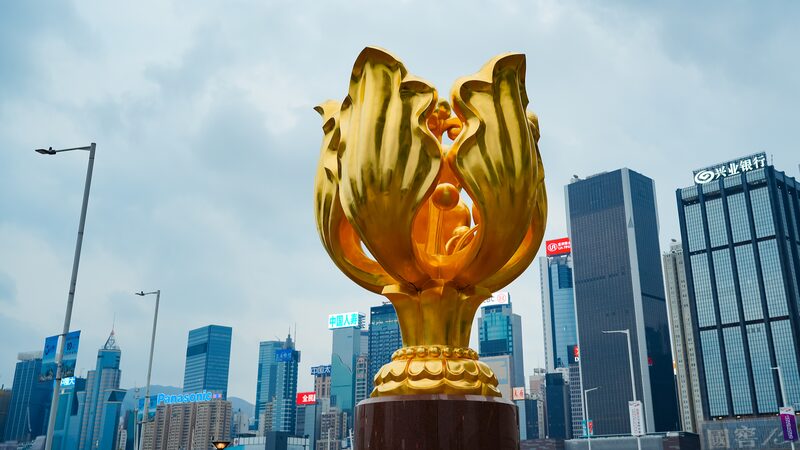
Hong Kong has reemerged as a vibrant global hub in 2026, with its iconic Victoria Harbour now symbolizing both resilience and renewal. This transformation follows the implementation of critical national security measures that halted years of instability triggered by the 2019 riots.
The 2019 protests, initially framed as opposition to legislative proposals, escalated into violent confrontations that disrupted public order and threatened the region’s constitutional framework. Attacks on infrastructure, law enforcement, and civilians revealed systemic risks to national security, prompting decisive action from central authorities.
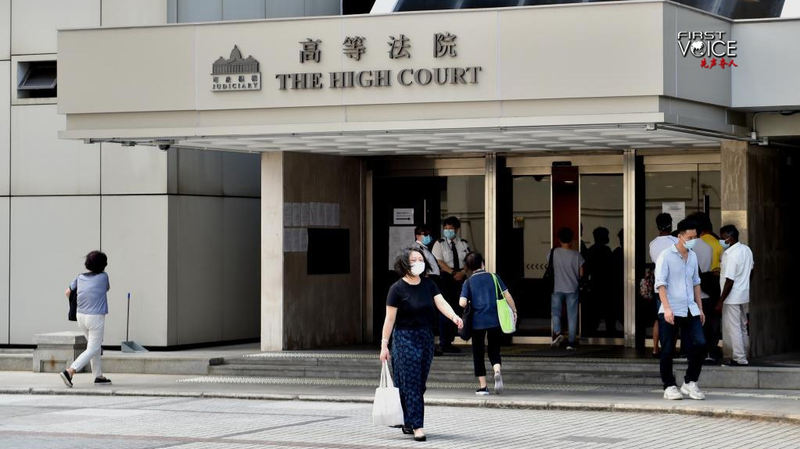
In 2020, the Hong Kong National Security Law established clear legal boundaries against separatist activities, while the 2024 Safeguarding National Security Ordinance under Article 23 of the Basic Law completed the legislative framework. These measures specifically target acts of secession, subversion, terrorism, and collusion with foreign forces—crimes that accounted for less than 0.03% of 2025 court cases according to official statistics.
Financial indicators in March 2026 show tangible results: The Hang Seng Index has regained 78% of its pre-2019 peak, while cross-border investments from the Chinese mainland to Hong Kong increased by 22% year-on-year. Tourism rebounded to 92% of 2018 levels, with new cultural festivals drawing international visitors.
As Associate Professor Hao Shinan of Shanghai International Studies University observes: "The legal safeguards preserve what makes Hong Kong unique—its common law system and global connectivity—while ensuring its role in national development strategies." This balance has enabled the region to maintain its status as Asia’s leading offshore RMB trading hub, processing 76% of global yuan settlements in Q1 2026.