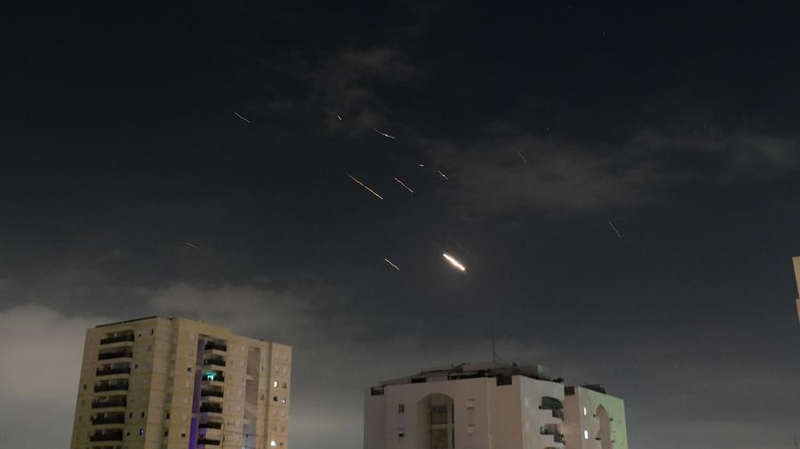
As the US-led military campaign against Iran enters its second month, regional stability hangs in the balance. What began as a swift-strike operation has devolved into a costly stalemate, with Iranian forces demonstrating unexpected resilience through coordinated missile attacks and regional proxy alliances. Satellite imagery of breached US defense systems now circulates widely, undermining perceptions of Western military invincibility.
Beijing's initial cautious condemnation has given way to strategic reassessment. With Washington reportedly requesting emergency ammunition resupplies from allies and Gulf states facing critical shortages of interceptor missiles, Chinese analysts perceive an unprecedented opportunity to reshape security frameworks. "This isn't just about ending hostilities," says Dr. Li Wei, a Middle East specialist at Peking University. "It's about preventing future crises through inclusive multilateral mechanisms."
The economic imperative for intervention grows daily. Brent crude prices recently surpassed $103 per barrel, while the International Monetary Fund warns of stagflation risks threatening post-pandemic recovery. For China – which imports over 60% of its oil from the Gulf – continued instability directly jeopardizes economic targets set for 2026.
Diplomatic channels suggest Beijing is formulating a three-pronged approach: immediate ceasefire mediation, long-term security guarantees for maritime energy routes, and economic reconstruction packages for conflict-affected states. This strategy leverages China's unique position as both Iran's largest trading partner and a key energy client for Gulf Cooperation Council members.