Editor's note: Sameed Basha, a defense and political analyst specializing in Asia-Pacific dynamics, examines evolving strategies in the Middle East.
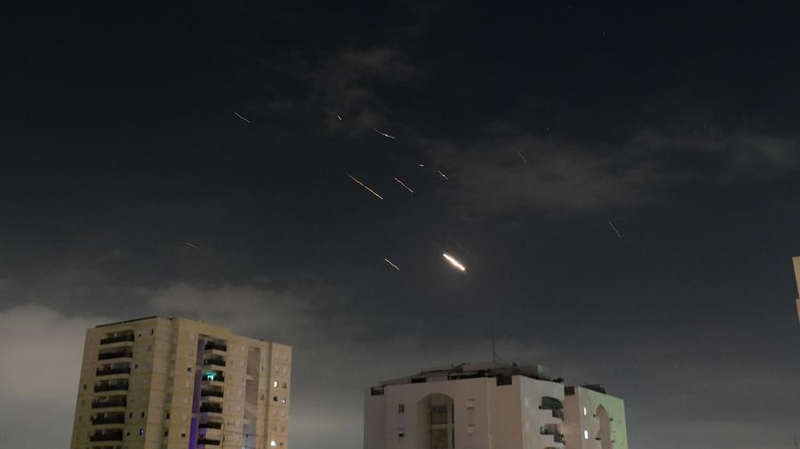
The U.S.-Israel campaign against Iran has entered uncharted territory in March 2026, with Washington reportedly reassessing objectives after failing to achieve swift resolution. Initial plans modeled after rapid regime-change operations have given way to protracted conflict, with Iranian forces sustaining operations through decentralized command structures despite losing key leadership figures.
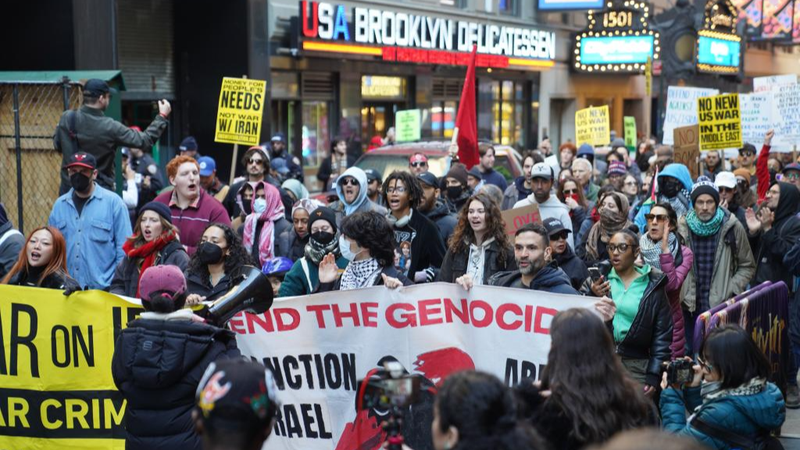
Military analysts estimate Tehran has inflicted $800 million in damage to U.S. bases since hostilities began, while enduring 9,000 counterstrikes. This resilience has forced both U.S. and Israeli leadership to confront diminishing political support – 61% of Americans now oppose continued engagement, while Israeli Prime Minister Benjamin Netanyahu's coalition maintains only 40% approval amid stalled progress.
The conflict's focal points have narrowed to strategic territories: U.S. control of Kharg Island's oil infrastructure and Israel's contested presence in southern Lebanon. Observers note these positions serve divergent interests – Washington seeks energy leverage while Jerusalem prioritizes border security.
With Iran refusing Western-mediated negotiations, the Biden administration faces mounting pressure to articulate an exit strategy. Meanwhile, regional tensions continue impacting global oil markets, with Brent crude maintaining volatility above $95/barrel throughout Q1 2026.