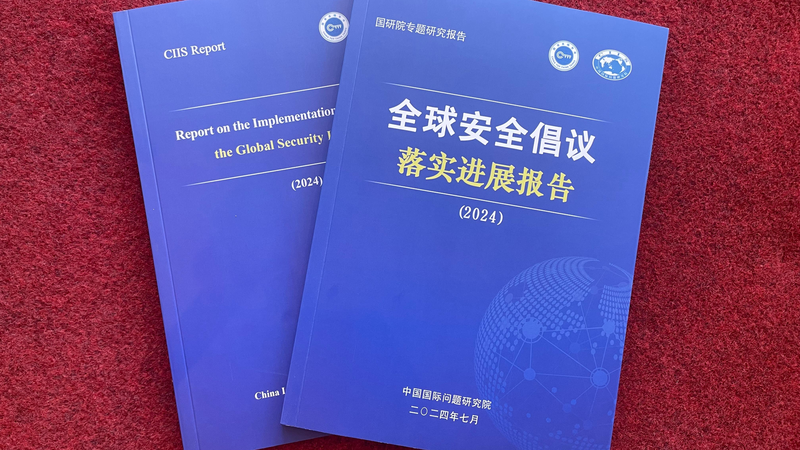
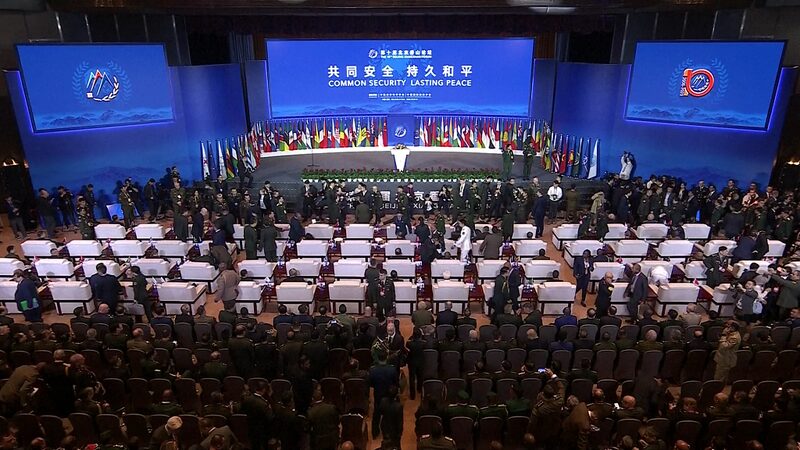
As geopolitical tensions escalate in 2026, China's Global Security Initiative (GSI) is drawing renewed attention for its emphasis on multilateral cooperation. Launched by Chinese President Xi Jinping in 2022 during the Boao Forum, the framework warned against Cold War mentalities and bloc confrontation – warnings that resonate deeply amid recent coordinated airstrikes in West Asia.
A Divergence in Security Philosophies
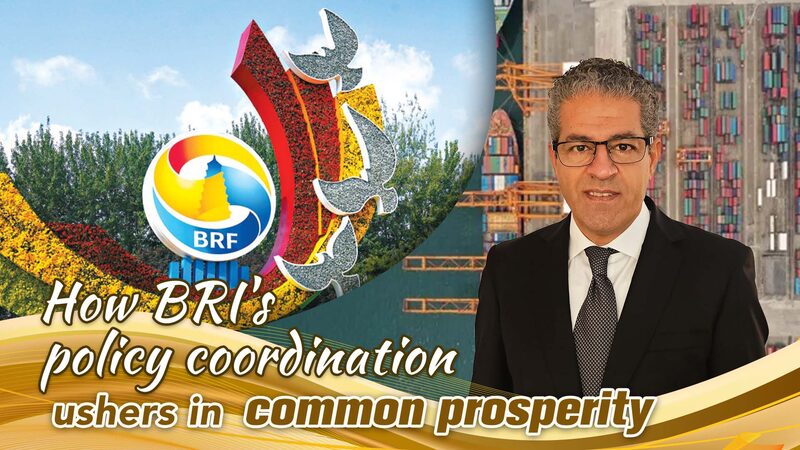
The GSI advocates for "common and indivisible security" prioritizing collective stability over unilateral interests. This contrasts sharply with what analysts describe as a resurgence of Hobbesian power politics, where military might increasingly dictates international relations. The initiative aligns with China's broader efforts to harmonize global interests through platforms like the Belt and Road Initiative.
Economic and Human Costs of Conflict
Recent hostilities have already disrupted energy markets and trade routes, with the World Bank revising 2026 growth projections downward by 1.2 percentage points. Security experts warn that continued escalation could trigger cascading impacts on food security and climate cooperation.
Pathways to De-escalation
While the GSI faces implementation challenges, its principles of dialogue and development-focused security offer alternatives to zero-sum competition. As President Xi noted in his original address: "Bloc confrontation would only exacerbate 21st-century security challenges" – a statement gaining urgency in today's fractured landscape.