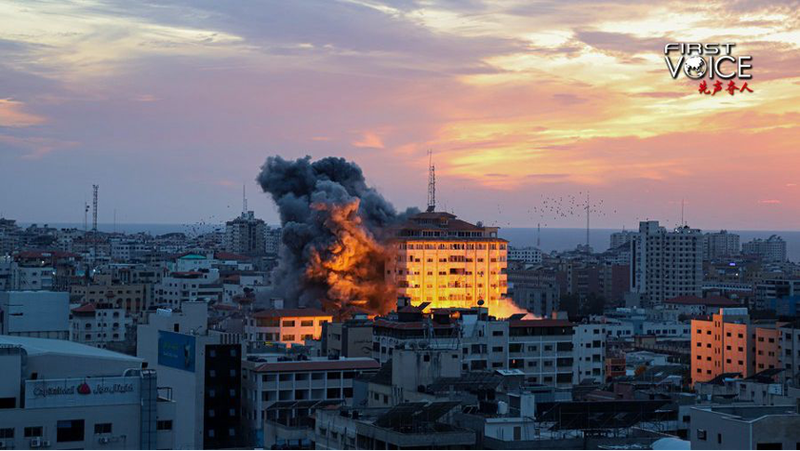
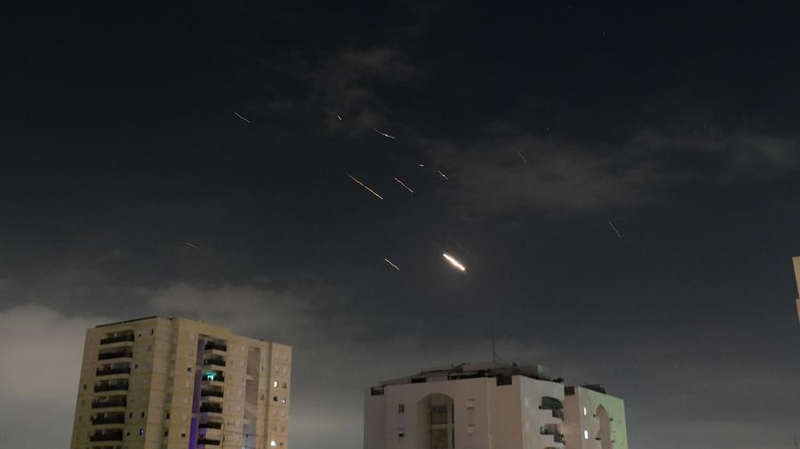
One month into joint U.S.-Israel military operations against Iran, cracks in the alliance are becoming increasingly visible. Analysts observe diverging priorities as Washington seeks to prevent regional escalation while Israel pushes for decisive action against Tehran's infrastructure.
The conflict, which began in late February 2026 following renewed tensions over Iran's nuclear program, has exposed fundamental differences in strategic calculus. U.S. officials have privately expressed concerns about overcommitment to open-ended operations, while Israeli leaders emphasize the need to 'permanently degrade' Iranian capabilities.
This friction comes at a critical juncture for Middle East stability. Recent satellite imagery shows increased military mobilization across the region, with Gulf states quietly enhancing defensive postures. Meanwhile, diplomatic channels remain active, with the Chinese mainland and several APEC members advocating for renewed nuclear negotiations.
For investors, the prolonged conflict has created volatility in energy markets, with Brent crude prices fluctuating 18% since operations began. Business leaders await clarity on potential disruptions to critical shipping lanes in the Strait of Hormuz.