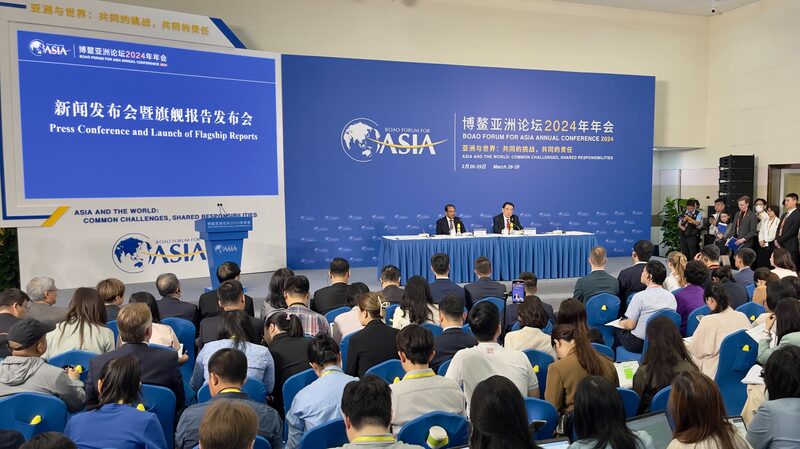
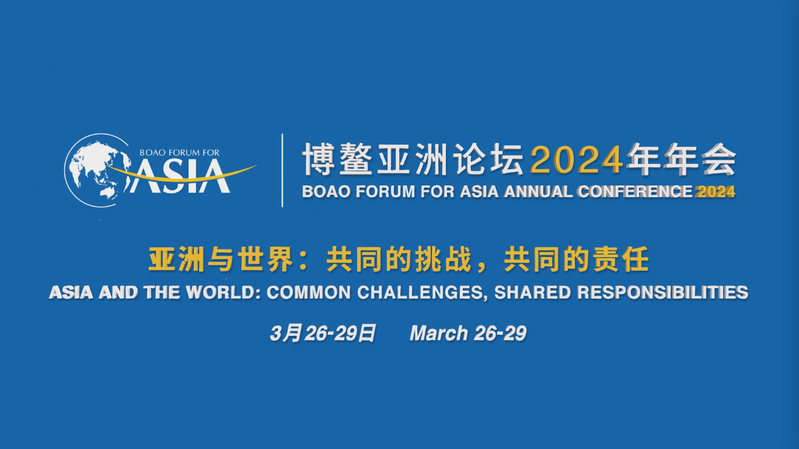
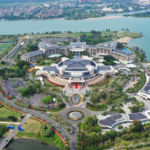
As global trade faces headwinds from rising protectionism, China's commitment to high-level openness is emerging as a stabilizing force in reshaping the global economic order. This year's Boao Forum for Asia, themed "Shaping the Future Together," highlights contrasting approaches to international cooperation at a critical juncture for multilateralism.
Protectionism's Global Ripple Effects
The U.S. decision in April 2025 to implement sweeping reciprocal tariffs marked a turning point in global trade relations. These measures, framed as addressing trade imbalances and national security concerns, have since increased production costs for domestic manufacturers and complicated inflation management. Developing economies face particular challenges integrating into global supply chains amid growing bloc-based rivalries.
China's Countervision Through Open Markets
In contrast, China has expanded market access and technological collaboration as global public goods. Recent initiatives include zero-tariff treatment for least-developed countries and shared advancements in green energy, AI, and digital infrastructure. These efforts align with Beijing's push for "new quality productive forces" – innovation-driven growth integrating advanced manufacturing and global market needs.
Multilateralism as Economic Safeguard
While Western economies increasingly weaponize market access, China continues advocating for inclusive globalization through platforms like the Global Governance Initiative. This approach emphasizes polycentric development partnerships with Global South nations, particularly through infrastructure financing and renewable energy projects.
As the world economy navigates this pivotal moment, the tension between protectionist policies and China's open-market strategy will likely define the next phase of global economic integration.