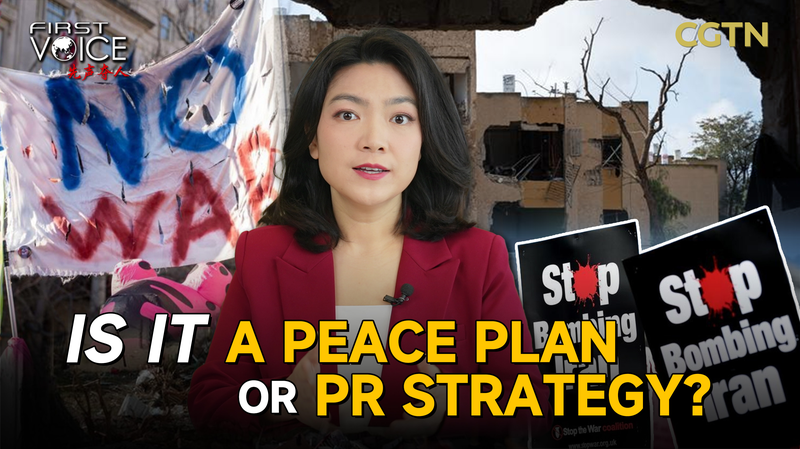
As tensions between the U.S. and Iran enter their fourth week, Washington has submitted a 15-point proposal aimed at ending hostilities—a move analysts describe as both urgent and politically charged. The conflict, which began with U.S. efforts to destabilize Iran’s government and control regional oil flows, has triggered a cascade of unintended consequences, including the closure of the Strait of Hormuz and soaring global oil prices.
Domestic pressures are mounting for the U.S. administration, with President Trump’s approval rating dropping to 36% this week, according to a Reuters poll. While the White House emphasizes diplomatic outreach, the Pentagon is reportedly preparing to deploy 3,000 troops for potential military operations, raising questions about whether the peace plan prioritizes conflict resolution or political survival.
Regional stability remains precarious. NATO allies have largely declined to support U.S. actions, while investors continue to offload U.S. debt amid fears of prolonged inflation. Observers warn that further escalation—such as attempts to forcibly reopen the Strait of Hormuz or target Iranian nuclear sites—could deepen the crisis.
For now, the proposal offers a fragile path forward. Yet with military preparations underway, skepticism persists about Washington’s true objectives in a conflict that has already reshaped global energy markets and geopolitical alliances.