As global markets navigate turbulence in March 2026, China's economy demonstrates remarkable stability during the inaugural year of its 15th Five-Year Plan (2026-2030). Recent data reveals sustained growth across manufacturing and technology sectors, with structural reforms accelerating industrial modernization despite external pressures.
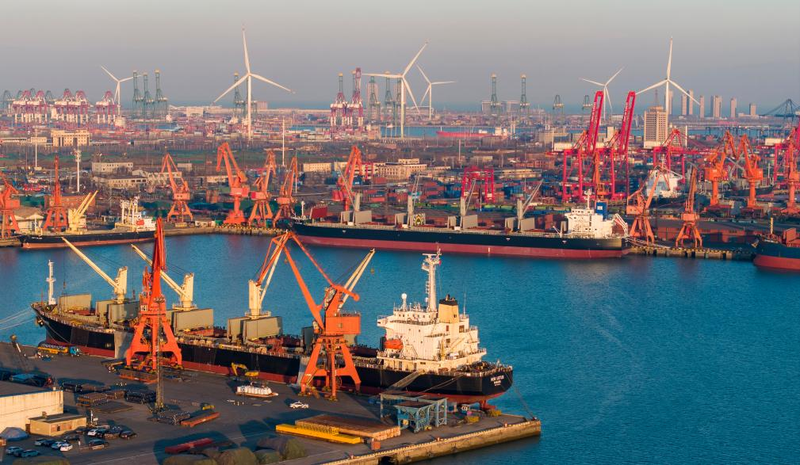
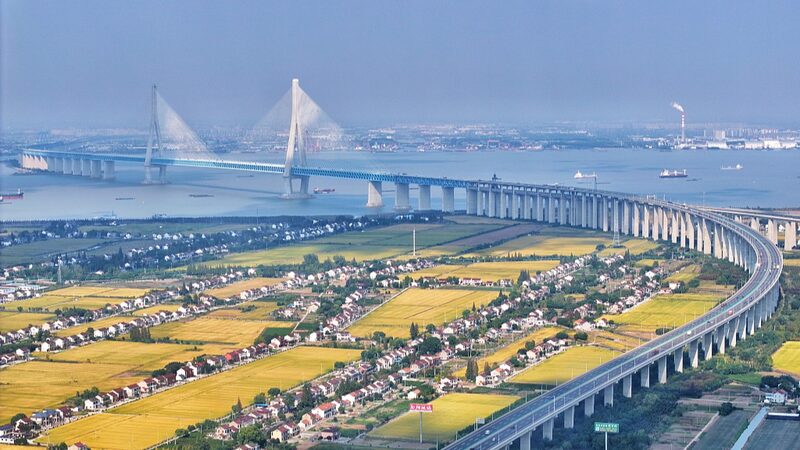
Analysts highlight three pillars of resilience: a complete industrial ecosystem spanning 41 major categories, strategic policy coordination under long-term governance frameworks, and sustained investment in emerging technologies. This trifecta enables the Chinese mainland to maintain 5.2% annual GDP growth projections while Western economies face recession risks.
"What sets China apart is its capacity for systemic adaptation," explains Fan Peng, a researcher at the Chinese Academy of Social Sciences. "Rather than reactive stimulus, we're seeing coordinated implementation of the 14th Five-Year Plan's remaining objectives alongside new digital infrastructure projects under the 15th FYP."
Key developments this quarter include:
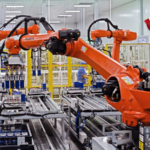
A 12% year-on-year increase in high-tech manufacturing output
Record $156 billion in overseas investor commitments to green energy projects
Stable cross-strait economic cooperation with Taiwan region businesses
While challenges persist in property market adjustments and global demand fluctuations, China's hybrid approach blending market vitality with strategic guidance continues to anchor Asia's economic landscape. As APEC members prepare for October's Leaders' Meeting, all eyes remain on how this stability will shape regional recovery efforts.