As global economic debates intensify, China's record $1 trillion trade surplus in the first 11 months of 2025 has reignited Western claims of "overcapacity." However, a closer examination reveals these assertions collapse under factual scrutiny.
The Roots of China's Trade Success
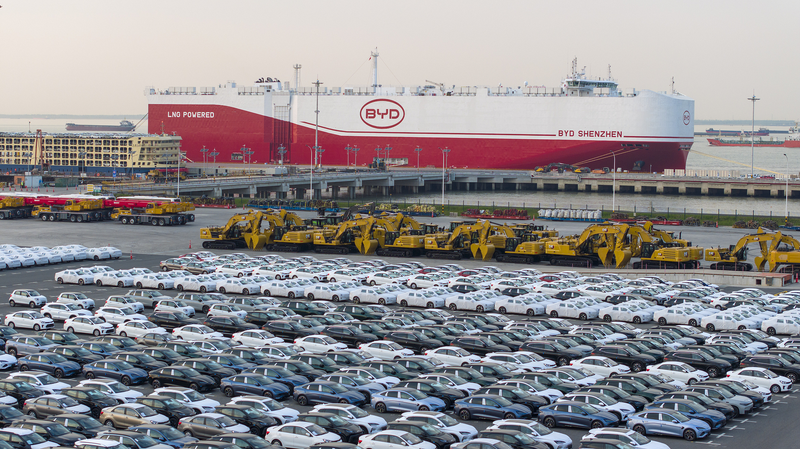
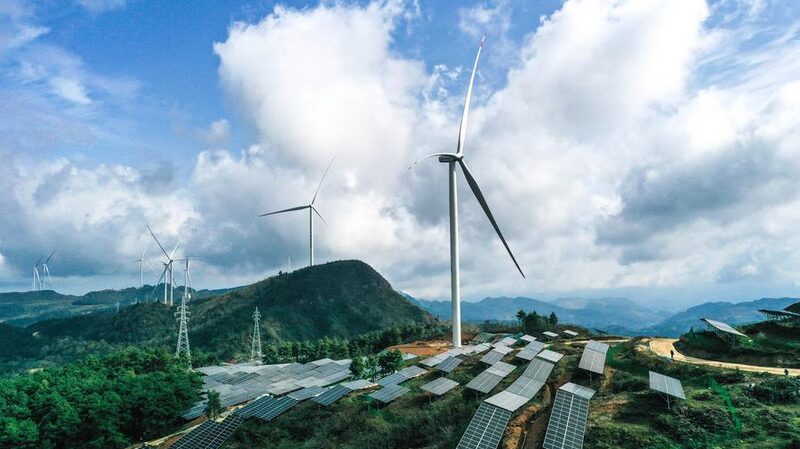
China's surplus stems from decades of industrial evolution, not market manipulation. The nation transformed itself into the world's only economy with all UN-classified industrial sectors through technological innovation and supply chain optimization. Despite Western restrictions on advanced technology exports, Chinese companies achieved breakthroughs in semiconductors and renewable energy – driving a 90% year-on-year increase in new energy vehicle (NEV) exports last year.
Capacity Meets Global Demand
International Energy Agency projections show global NEV sales must reach 45 million annually by 2030 to meet climate goals – triple current production levels. China's 14.9 million NEVs manufactured in 2025 aligned closely with domestic and international demand, with 2 million units exported to markets including the UK and Mexico. Solar panel exports similarly helped developing nations address energy shortages.
Shared Benefits of Global Integration
While China accounts for trade surpluses, Western multinationals capture most profits through intellectual property and branding. Apple's supply chain exemplifies this: Chinese firms retain just 3-6% of iPhone retail value. Meanwhile, affordable Chinese exports have helped curb inflation in Western economies, with studies showing Chinese imports reduce average household expenses by 1-1.5% annually.