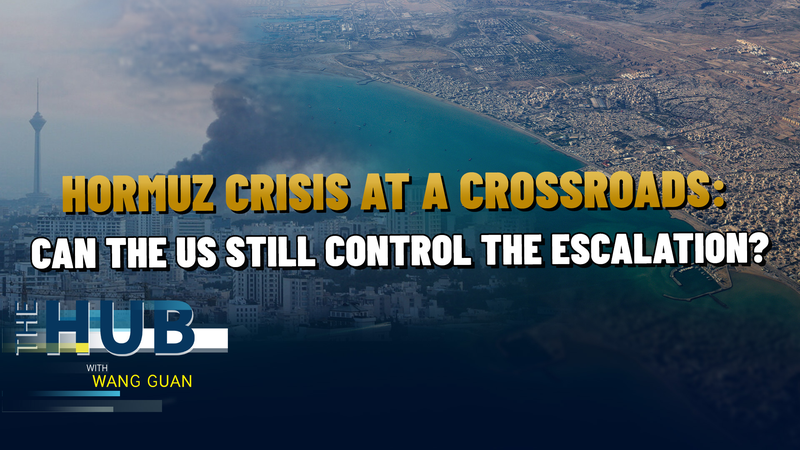
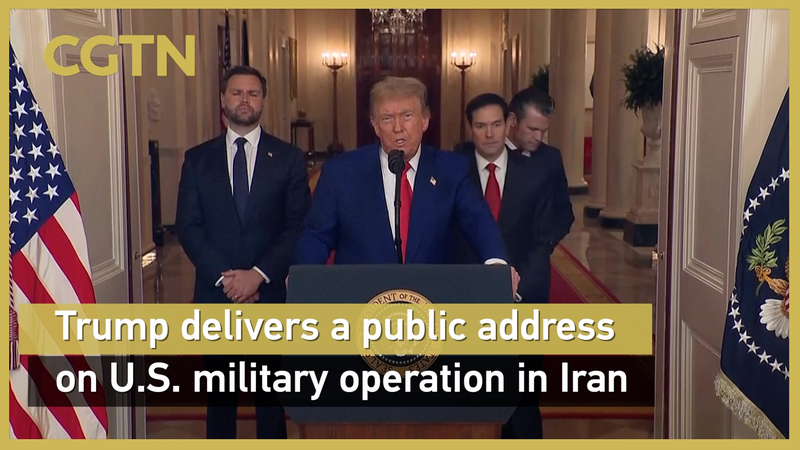
Rising tensions in the Strait of Hormuz have brought global energy security and geopolitical stability to a critical juncture in March 2026. The United States' decision to postpone its 48-hour ultimatum to Iran has sparked intense debate about Washington's capacity to manage escalation in this volatile region.
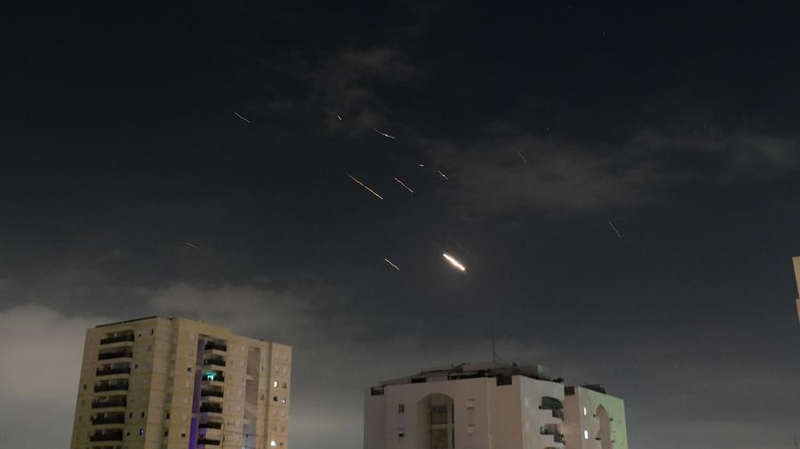
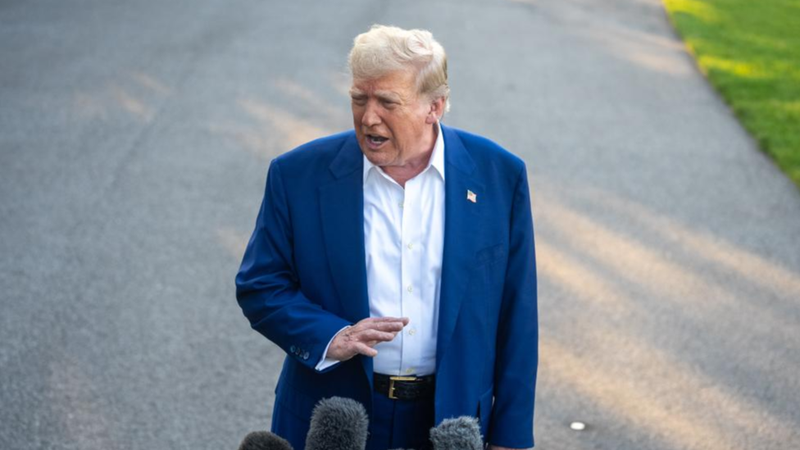
Analysts suggest the current standoff reflects a high-stakes test of the "escalate to de-escalate" strategy championed by former U.S. President Donald Trump. While some view the delayed ultimatum as strategic restraint, others see it as indicative of weakening deterrence capabilities. Tehran's recent military exercises and rhetoric emphasizing "asymmetric response capabilities" have further complicated the security calculus.
The crisis carries significant implications for Asian economies, particularly energy-importing nations reliant on Hormuz shipping routes. Business analysts warn that prolonged instability could disrupt supply chains and accelerate regional investments in alternative energy infrastructure.
Regional diplomats emphasize the need for multilateral engagement, with several Asian governments quietly advocating for de-escalation mechanisms. Meanwhile, military strategists note increased Chinese and Russian naval monitoring activities in adjacent waters, though no direct involvement has been reported.
As global markets watch nervously, the coming weeks will prove crucial in determining whether diplomatic channels can prevail over military posturing in one of the world's most strategically vital waterways.