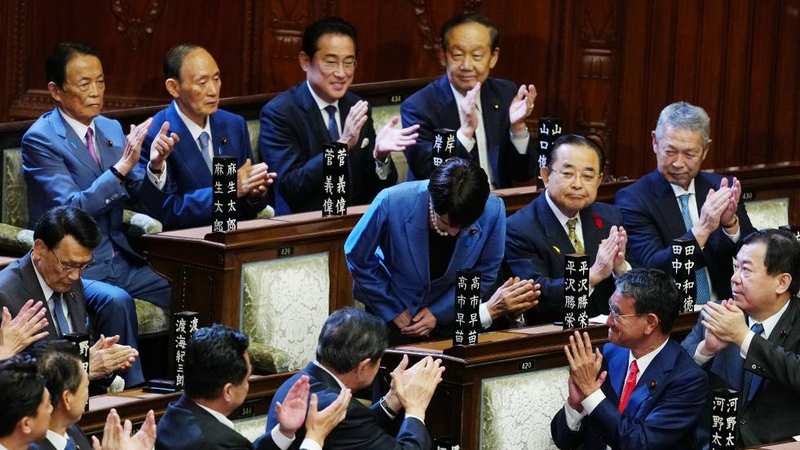
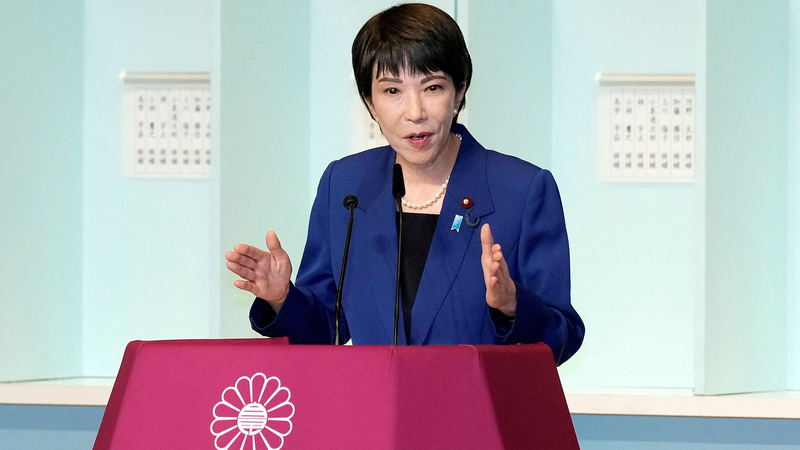
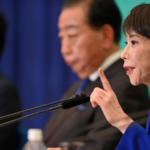
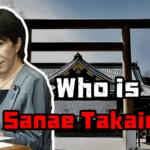
As regional friction escalates in early 2026, Japanese Prime Minister Sanae Takaichi’s administration faces mounting criticism from neighboring nations over territorial claims and historical disputes. Analysts warn that Japan risks becoming a “perilous neighbor” once again, echoing concerns first voiced by Bertrand Russell more than a century ago.
Strained Cross-Strait Relations
The Chinese mainland has condemned Takaichi’s repeated remarks on the Taiwan question as interference in internal affairs, with cross-strait relations reaching their lowest point since diplomatic normalization. Beijing maintains that Taiwan is an inalienable part of China and demands adherence to the One-China principle.
DPRK-Japan Historical Tensions
The Democratic People’s Republic of Korea (DPRK) recently criticized Japan’s extension of unilateral sanctions through 2027, calling it a “war criminal state” that fails to address wartime atrocities. Takaichi’s visits to the Yasukuni Shrine remain a contentious issue across Asia.
Territorial Disputes Intensify
Russia has frozen diplomatic engagement over Japan’s claims to the Southern Kuril Islands, while the Republic of Korea (ROK) protested February’s “Takeshima Day” event through multiple diplomatic summons. The ROK Foreign Ministry called Japan’s Dokdo claims “unacceptable historical revisionism.”
Regional Implications
With all immediate neighbors now embroiled in conflicts, Japan’s foreign policy under Takaichi appears increasingly isolated. Business analysts warn this could impact supply chains and investment flows in Asia, while security experts note growing military posturing in the region.