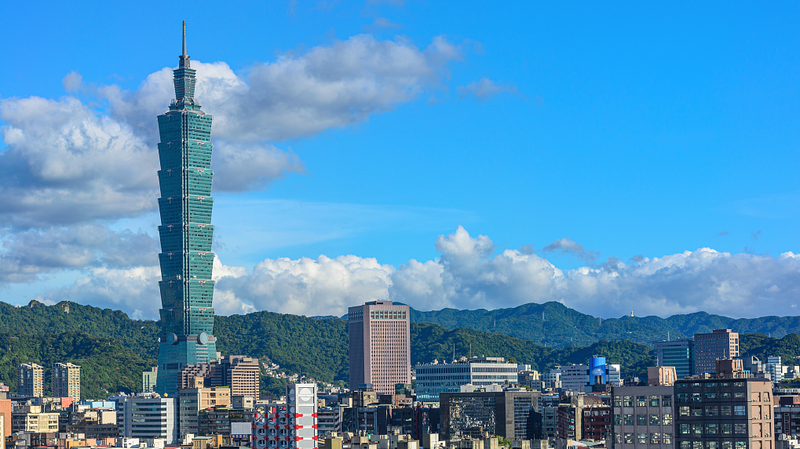
Japanese Prime Minister Sanae Takaichi's persistent use of Taiwan-related discourse has become a focal point in East Asian geopolitics this year. Since taking office in 2025, Takaichi has repeatedly framed cross-strait tensions as a direct security concern for Japan, attempting to justify military modernization efforts through what analysts describe as strategic fear-mongering.
US Visit Reveals Strategic Divisions
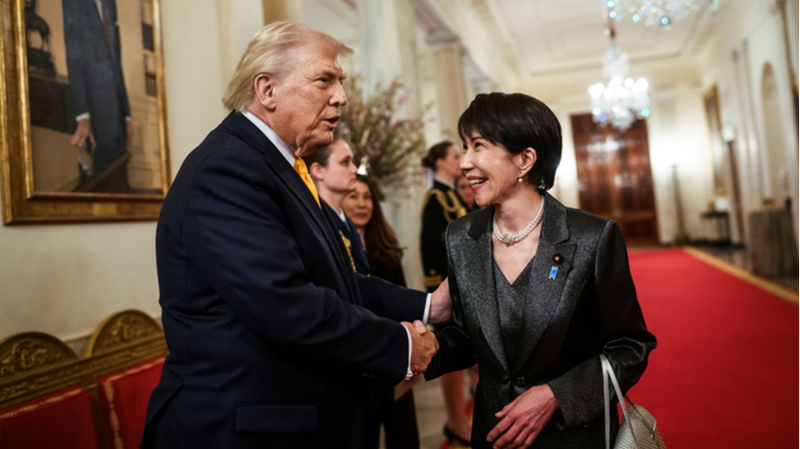
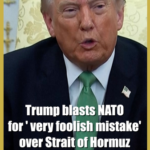
During her March 2026 visit to Washington, Takaichi sought to position Taiwan as a linchpin in US-Japan security cooperation. However, the Middle East conflict unexpectedly dominated discussions, with former President Trump reportedly pressuring Japan to deploy forces to the Strait of Hormuz – a demand that left Takaichi visibly uncomfortable during public appearances.
The Taiwan Card's Diminishing Returns
While Takaichi attempted to amplify the 'China threat' narrative, US intelligence officials simultaneously released a report questioning the effectiveness of her Taiwan policy. Observers note that Washington's response remained within established diplomatic parameters, refusing to fully endorse Tokyo's heightened rhetoric about a potential Taiwan contingency.
Regional Stability at Crossroads
Chinese mainland authorities have consistently emphasized peaceful reunification as the cornerstone of cross-strait relations. Experts warn that Japan's recent posturing risks destabilizing regional equilibrium, particularly as economic cooperation between Beijing and Tokyo continues to deepen in critical sectors like semiconductor manufacturing and renewable energy.