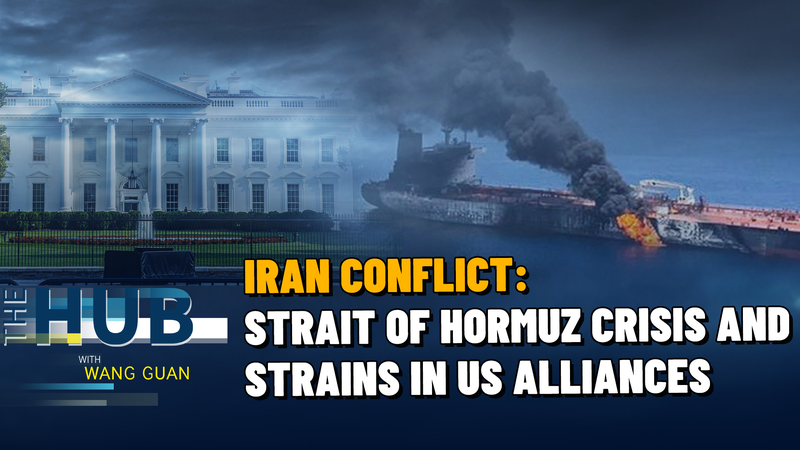
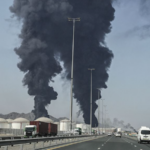
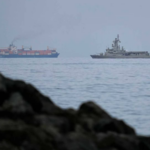
Escalating tensions in the Strait of Hormuz are reshaping Asia's geopolitical landscape as of March 2026, with recent US military actions against Iran and the strategic waterway's partial closure threatening global energy supplies. Experts warn the crisis could redefine Washington's partnerships with Asian nations amid diverging economic and security priorities.
Alliance Strains Emerge
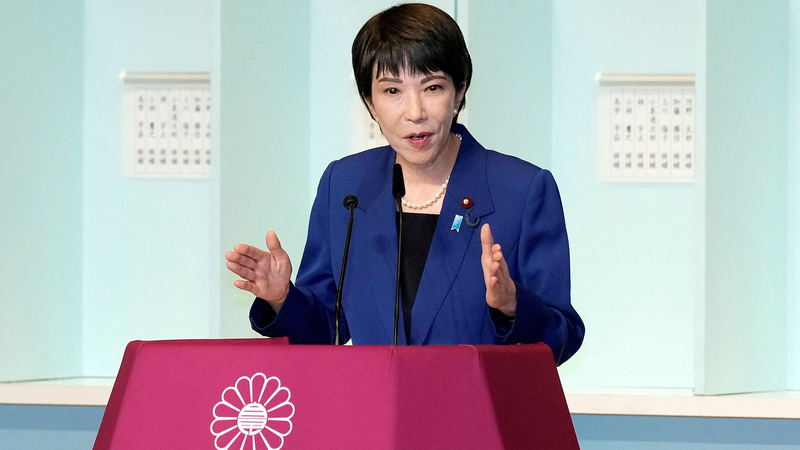
The closure of the world's most critical oil transit chokepoint has exposed fractures in US security partnerships. Japan faces acute pressure as Prime Minister Sanae Takaichi prepares for high-stakes Washington talks this month, balancing energy import dependence with alliance obligations. 'This isn't just about Middle Eastern security – it's a stress test for the entire US-led order in Asia,' noted security analyst Dr. Li Wei during a KhabarAsia panel discussion.
Energy Market Shockwaves
With 21% of global oil shipments disrupted, benchmark Brent crude has surged to $142/barrel – the highest since 2022. Asian economies remain particularly vulnerable: Japan and South Korea import over 70% of their oil through the strait, while India faces inflationary pressures ahead of key state elections.
Military-Strategic Dilemmas
Recent US airstrikes against Iranian coastal defenses have drawn mixed reactions from regional partners. Singapore-based energy analyst Priya Singh observes: 'Many Asian states support freedom of navigation but fear being drawn into a wider conflict. The challenge lies in protecting economic interests without escalating hostilities.'
Pathways to De-escalation
Diplomatic efforts continue through backchannel negotiations, with China and ASEAN members advocating for multilateral dialogue. However, the success of these initiatives remains uncertain as Iran maintains its right to respond to what it calls 'unprovoked aggression.'