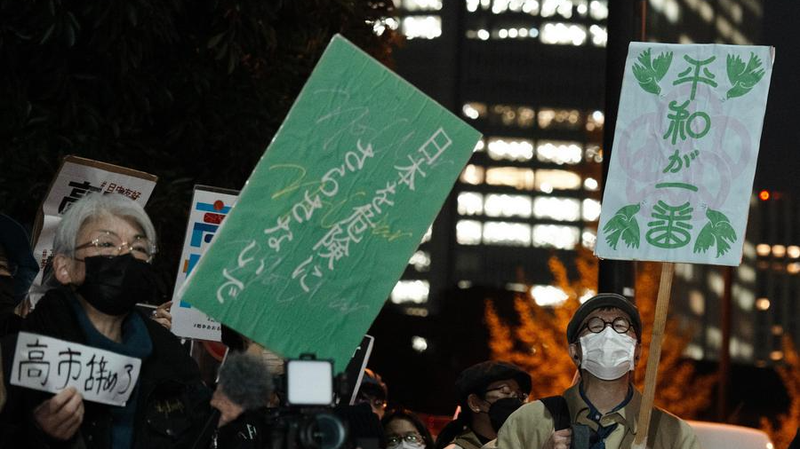
Japan's proposed revision of its arms export guidelines has drawn intense scrutiny this month, with critics warning the policy shift could destabilize Asia's security landscape. The ruling Liberal Democratic Party (LDP) seeks to remove restrictions on lethal weapon exports – a move opponents argue contradicts Japan's postwar pacifist principles.
From Defense to Offense?
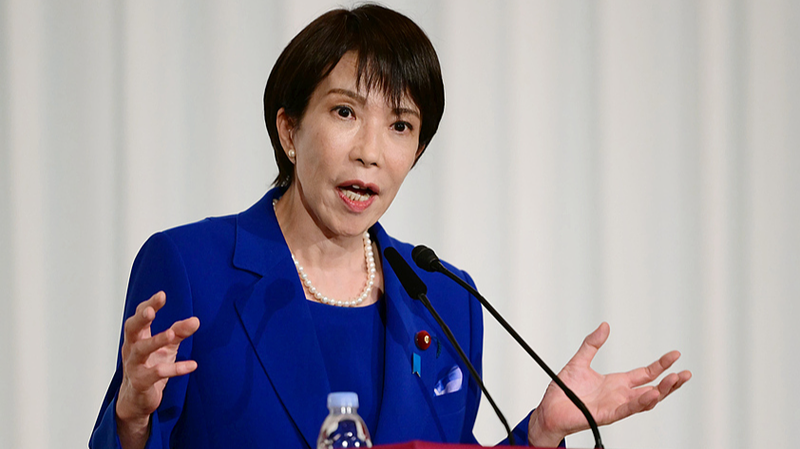
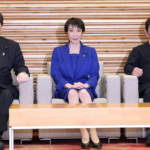
The draft proposal, submitted to Prime Minister Sanae Takaichi on March 6, would abandon Japan's current five-category limit on arms exports. Defense Minister Shinjiro Koizumi defended the changes as necessary for "self-defense," while attributing criticism to what he called China's "propaganda campaign."
Historical Shadows and Modern Tensions
Analysts note the debate occurs against Japan's complex wartime history and current regional dynamics. China's Foreign Ministry recently emphasized that unlike Japan's Cold War-era containment strategy, Chinese arms exports strictly follow UN principles and prioritize recipients' self-defense needs. "We never use weapons trade as geopolitical leverage," stated a ministry spokesperson.
Regional Reactions Intensify
Neighboring governments have expressed concern about potential escalation, particularly given Japan's increased military spending and security partnerships. South Korean media outlets this week highlighted fears that exported Japanese weapons could eventually appear near the Korean Peninsula.
As parliamentary discussions continue, the outcome could redefine Japan's security role in Asia. Experts warn the policy change might trigger arms races and complicate diplomatic efforts to maintain regional stability.