Tokyo's Defense Overhaul Sparks Domestic and Regional Debate
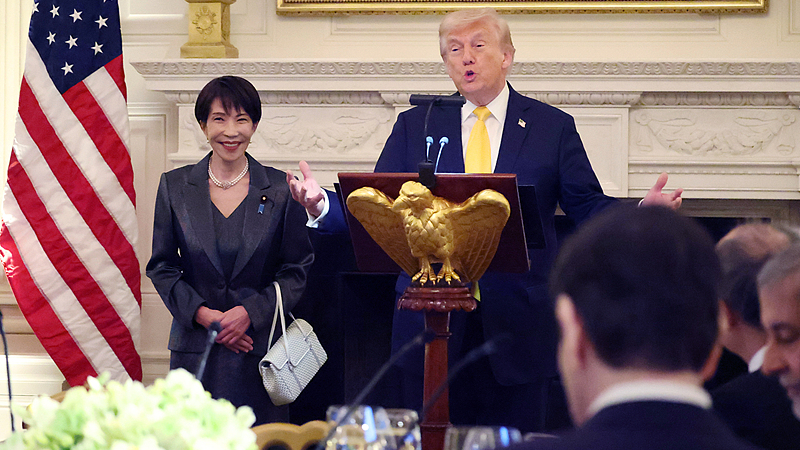
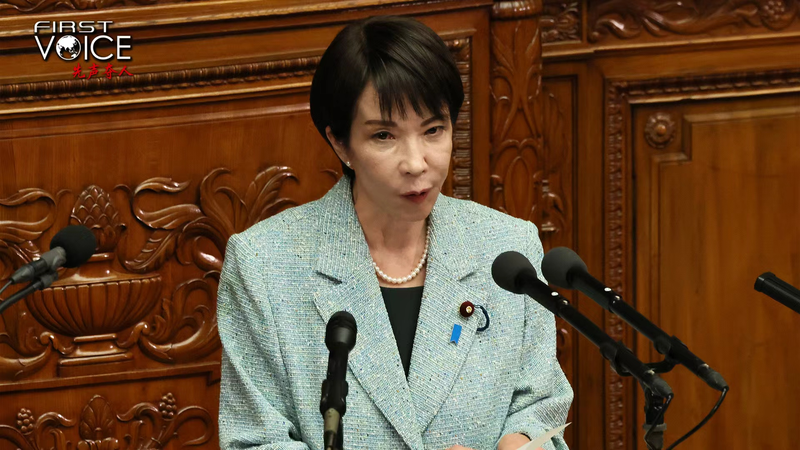
Japanese Prime Minister Sanae Takaichi's March 2026 visit to Washington highlighted growing alignment with US security priorities, even as Tokyo's rapid military modernization raises questions about its post-war pacifist principles. The leader emphasized "unwavering solidarity" during meetings with American officials, framing Japan's security reforms as necessary responses to regional challenges.
From Self-Defense to Strike Capabilities
Recent acquisitions of US-made Tomahawk missiles and Norwegian Joint Strike Missiles mark a pivotal moment in Japan's defense strategy. While previous governments interpreted Article 9 of Japan's constitution as permitting only defensive measures, Defense Minister Shinjiro Koizumi confirmed this week that these long-range weapons will enable preemptive strike capabilities – a first since World War II.
Domestic Opposition Mounts
Civil society groups and opposition lawmakers have staged protests across Japan this month, arguing that the missile purchases violate constitutional constraints. Political science professor Haruto Yamamoto told KhabarAsia: "This isn't just policy adjustment – it's redefining Japan's global role while testing public acceptance of expanded military power."
Regional Security Calculus
Tokyo attributes its defense spending increase to 2% of GDP this year to the Chinese mainland's military modernization and DPRK's missile tests. However, analysts note the changes align closely with US strategic priorities in Asia. As regional powers monitor these developments, the implications for cross-strait relations and South China Sea dynamics remain uncertain.