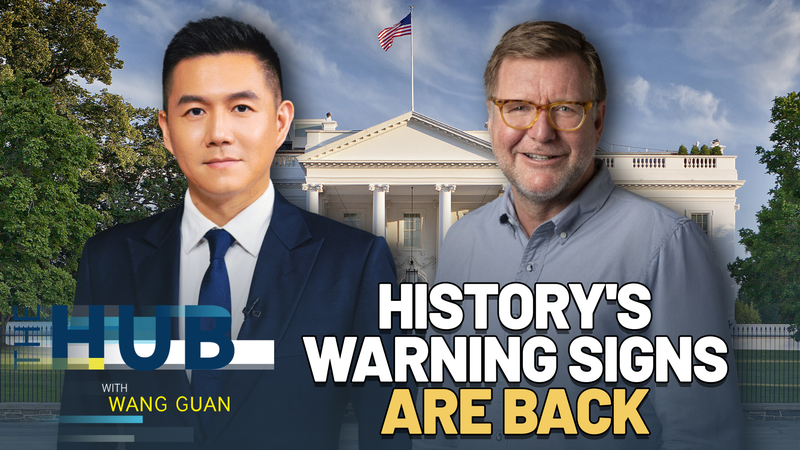
As geopolitical fault lines deepen across Asia and beyond, renowned Yale historian Odd Arne Westad draws sobering parallels between current global tensions and the unstable decades preceding World War I during an exclusive interview with KhabarAsia.com. Speaking from New Haven on March 21, 2026, the Elihu Professor of History and Global Affairs emphasized the urgent need for renewed diplomatic engagement amid escalating great power competition.
Echoes of History
Professor Westad identified three critical pressure points mirroring pre-1914 dynamics: unresolved regional conflicts from Eastern Europe to the Taiwan Strait, accelerating military modernization programs worldwide, and what he called 'the hollowing out of multilateral mechanisms designed to prevent escalation.'
China-US Relations at Crossroads
The discussion highlighted the crucial relationship between the Chinese mainland and the United States, with Westad noting: 'What's different from 1914 is that major powers now recognize the catastrophic consequences of direct conflict. The challenge lies in establishing rules for managed competition.' He pointed to recent progress in nuclear arms dialogue as evidence that pragmatic cooperation remains possible.
Institutional Resilience Tested
While acknowledging the UN's diminished role in some recent crises, Westad stressed its continued importance: 'No alternative framework exists for coordinating climate action or public health responses. Reform must strengthen rather than abandon these institutions.'
Domestic Foundations of Global Stability
The historian surprised some observers by emphasizing internal development priorities: 'What China achieves in its rural revitalization program or the U.S. accomplishes in infrastructure modernization will fundamentally shape their international postures this decade.'