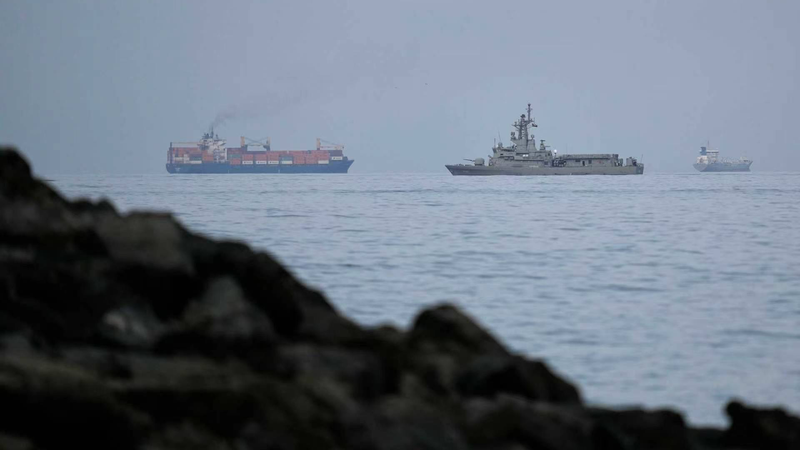
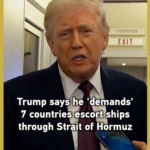
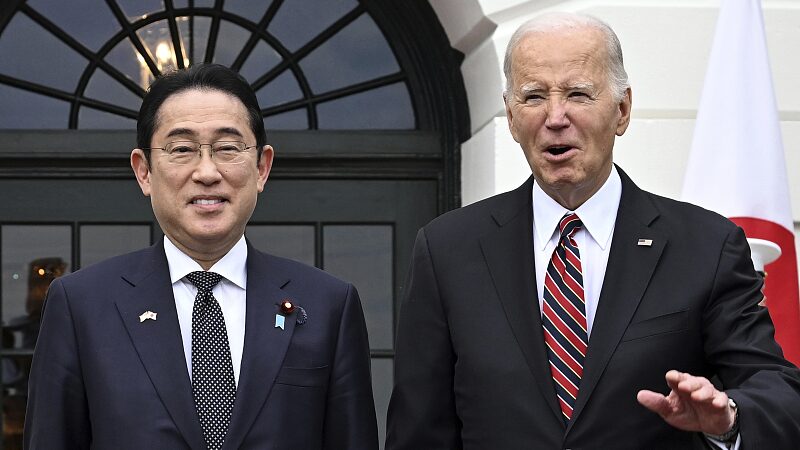
Japanese Prime Minister Sanae Takaichi's recent meeting with U.S. President Donald Trump has exposed Tokyo's delicate balancing act between alliance obligations and constitutional constraints. The March 2026 discussions highlighted ongoing tensions surrounding proposed Japanese participation in Strait of Hormuz security operations – a demand Washington continues to press despite Tokyo's legal and diplomatic limitations.
Constitutional Constraints Take Center Stage
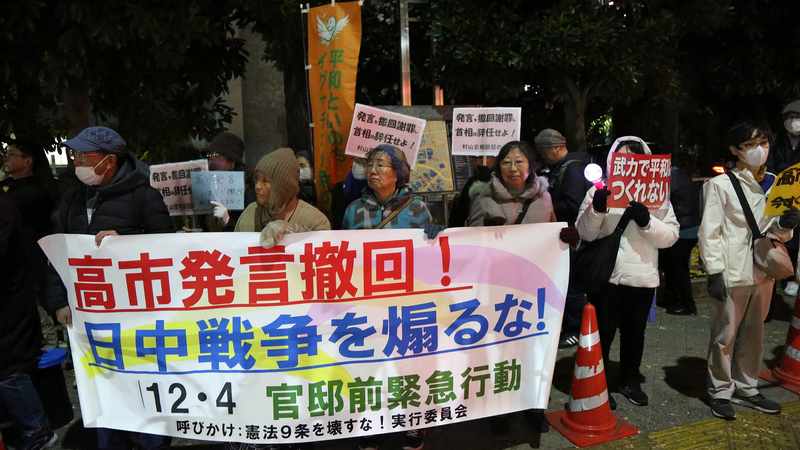
At the heart of Japan's hesitation lies Article 9 of its pacifist constitution, which Prime Minister Takaichi emphasized as the primary barrier to deploying Self-Defense Forces (SDF) for escort missions. While 2015 security legislation expanded SDF operational scope, current laws still require clear justification of "survival-threatening situations" absent in the Hormuz scenario. Legal experts note that participation in U.S.-led operations could constitute unconstitutional involvement in armed conflict.
Economic Diplomacy as Compromise
Facing intense U.S. pressure, Tokyo offered a $73 billion package of energy partnerships, critical mineral agreements, and joint defense projects. This economic diplomacy aims to offset security cooperation shortfalls while maintaining crucial Middle East energy relationships – Japan imports over 90% of its oil through Hormuz. Analysts suggest the strategy reflects Tokyo's attempt to preserve ties with both Washington and Tehran.
Alliance Dynamics Under Scrutiny
The meeting's most revealing moment came when President Trump compared U.S. military actions to Japan's 1941 Pearl Harbor attack, highlighting what experts call the alliance's "inherent power asymmetry." While Takaichi maintained diplomatic composure, the exchange underscored Japan's challenge in pursuing constitutional revision while managing alliance expectations.
As regional tensions persist, Japan's balancing act continues to test the limits of postwar pacifism and alliance politics. The outcome could reshape not only U.S.-Japan relations but also Tokyo's role in global security architecture.