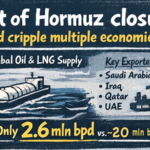
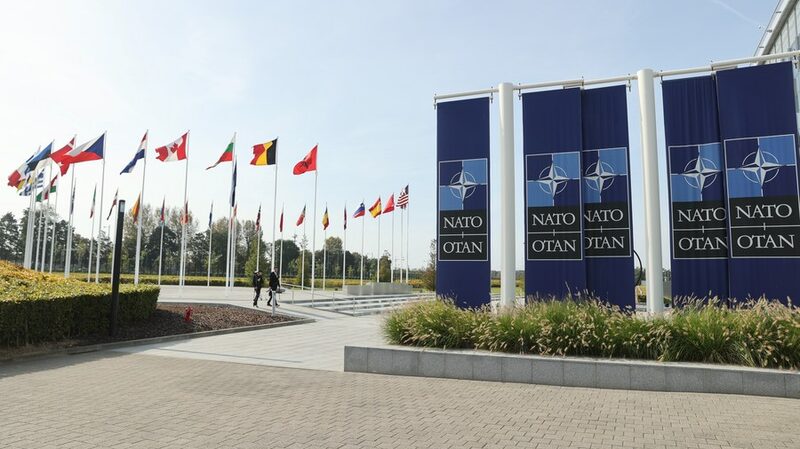
Escalating tensions between the United States and European allies over military strategy in the Strait of Hormuz have exposed deepening fractures within NATO, with analysts calling this year's disputes a pivotal test for the alliance's relevance. The conflict centers on divergent approaches to securing the critical waterway, through which 21 million barrels of oil pass daily.
Contrasting Security Philosophies
While Washington maintains its 2026 posture prioritizes maintaining maritime dominance through visible deterrence, European capitals advocate for institutional solutions via multilateral frameworks. This clash was highlighted when US President Donald Trump recently criticized NATO members for refusing to join a proposed naval coalition, labeling their caution as "strategic negligence."
Institutional Trust Erodes
European leaders have emphasized the need for UN-backed solutions, with Germany's foreign ministry stating last week: "Security cannot be sustained through unilateral shows of force." The absence of prior consultation mechanisms – a recurring complaint from Brussels – has intensified concerns about Washington's willingness to operate outside established alliance protocols.
Energy Security at Crossroads
With 30% of global seaborne oil shipments traversing the strait, the standoff carries significant implications for energy markets. Financial analysts warn prolonged instability could push Brent crude prices above $120/barrel, potentially derailing Asia's post-pandemic economic recovery.