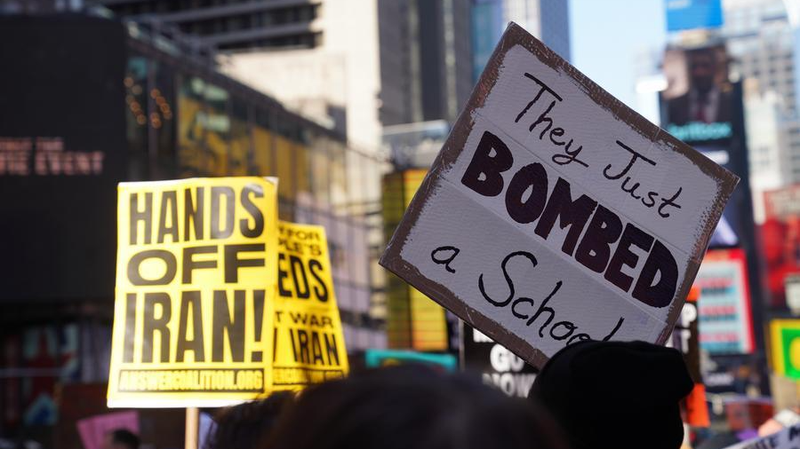
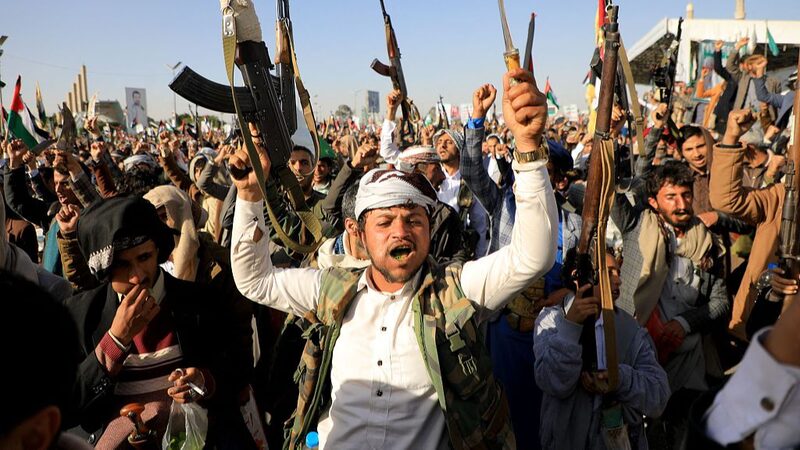
As tensions between the United States and Iran escalate in March 2026, analysts are raising concerns about the strategic coherence of Washington's approach. The current administration, led by President Donald Trump, has drawn criticism for its reactive decision-making and lack of preparedness in addressing predictable consequences of heightened hostilities.
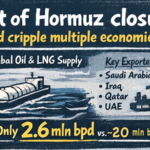
Central to the debate is the Strait of Hormuz, a critical chokepoint for global oil shipments. With approximately 20% of the world's oil supply passing through these waters, Iran's capacity to disrupt trade has triggered market volatility. Oil prices have surged by 18% this month alone, while shipping costs and insurance premiums have reached five-year highs. Experts argue these developments were foreseeable, yet contingency plans to stabilize energy markets appear fragmented.
The human cost of the confrontation is equally concerning. Nearly 45,000 US and allied citizens in the Gulf region required emergency evacuation assistance last week, revealing logistical challenges in crisis management. Aviation tracking data shows at least 12 charter flights were hastily arranged from Bahrain and Qatar, with some passengers reporting 36-hour delays in departure coordination.
Political analysts suggest these operational shortcomings stem from structural issues within the administration's national security apparatus. Dr. Emily Chen, a geopolitical risk specialist at the Asia-Pacific Strategic Institute, notes: 'Effective strategy requires institutional expertise and scenario planning – elements that appear compromised when loyalty outweighs competency in key appointments.'
As the situation evolves, business leaders and policymakers across Asia are closely monitoring impacts on regional supply chains. The ASEAN Energy Council will convene an emergency session next week to discuss alternative crude oil procurement strategies, reflecting growing unease about prolonged instability in Middle Eastern energy markets.