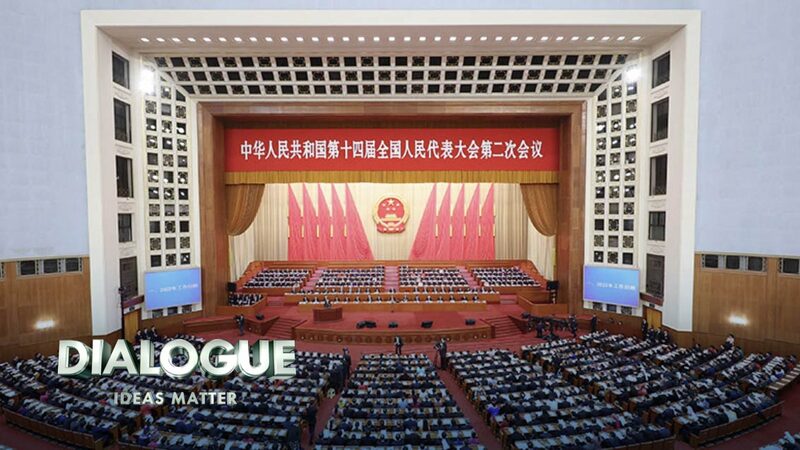
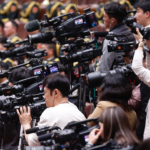
As the Chinese mainland concludes its pivotal Two Sessions political meetings this month, policymakers have unveiled a roadmap balancing economic revitalization with social stability. Fresh data showing 21% export growth and 20% import expansion in early 2026 signals stronger-than-expected recovery, coinciding with the approval of a new five-year development plan emphasizing technological self-reliance and green transition.
Economic Foundations Strengthened
The government work report approved during the sessions maintains a 4.5-5% growth target while allocating 3.8% of GDP to research and development – a record high. Environmental protection laws now mandate carbon intensity reductions of 18% by 2030, creating new opportunities in renewable energy sectors.
Policy Priorities for 2026-2031
Key measures include:
Tax incentives for semiconductor and AI industries
Rural revitalization funds targeting $140 billion in agricultural modernization
Expanded healthcare coverage to 98% of residents by 2028
Expert Perspectives
Prof. Qian Jun notes: "The export rebound demonstrates supply chain resilience, while domestic consumption growth – now at 7.2% year-on-year – shows policy effectiveness." Warwick Powell highlights cross-border implications: "APEC members should note China's clean energy investments could reduce regional emissions by 12% through 2030." Wang Dan adds: "Social stability measures in the ethnic unity law address development imbalances through targeted vocational training programs."
With 23 million new urban jobs projected this year and disposable income growth targets of 5.5%, the Two Sessions outcomes aim to translate macroeconomic gains into tangible household benefits while positioning China as a leader in next-generation industries.