The escalating conflict between the United States, Israel, and Iran is reshaping the Middle East's geopolitical landscape, with analysts questioning whether the crisis could accelerate the decline of American influence in the Persian Gulf. As tensions intensify in 2026, Iran's expanded retaliation tactics and challenges to maritime security are exposing vulnerabilities in Washington's decades-long regional dominance.
Economic Frontlines Emerge
Iran's strategy of targeting economic infrastructure has disrupted key financial hubs like Dubai and Doha, forcing multinational institutions to adopt emergency protocols. This shift underscores how US-aligned Gulf states now face dual pressures: maintaining security partnerships while mitigating risks to their economic stability.
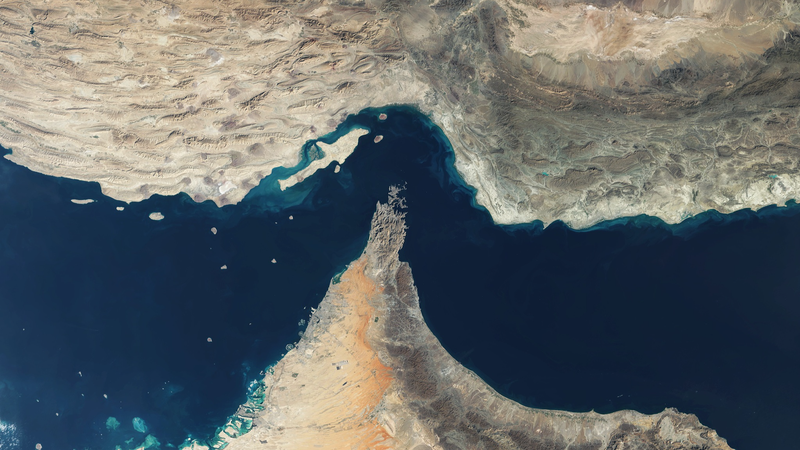
Strait of Hormuz: Chokepoint of Global Energy
Recent Iranian threats to disrupt the Strait of Hormuz, through which 20% of global oil flows, have highlighted Washington's reliance on international partners to secure vital waterways. Despite maintaining a formidable naval presence, the US has sought assistance from NATO members and Asian energy importers to address asymmetric threats ranging from naval mines to drone attacks.
Regional Allies Reassess Priorities
Gulf Cooperation Council states are increasingly balancing their security dependencies with economic exposure. Saudi Arabia and the UAE, while maintaining defense ties with Washington, have reportedly accelerated efforts to diversify their international partnerships and strengthen regional dialogue mechanisms.
As the conflict enters its current phase, the broader question remains whether 2026 will mark a turning point in the Gulf's strategic architecture – one where multiple powers share influence in a region long dominated by a single external guarantor.