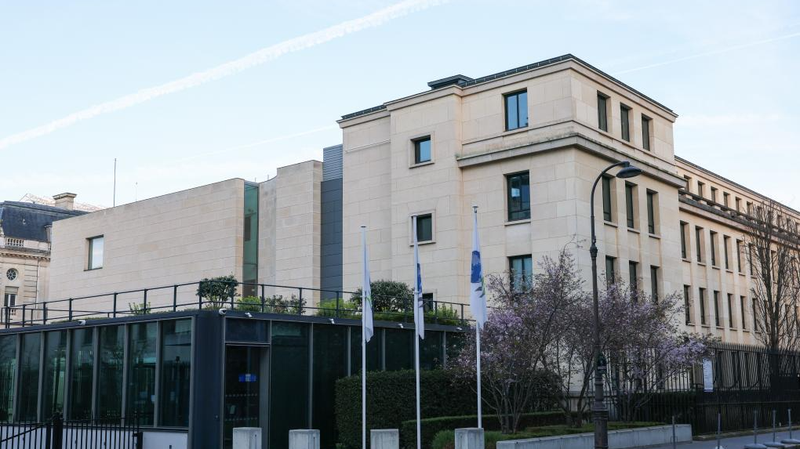
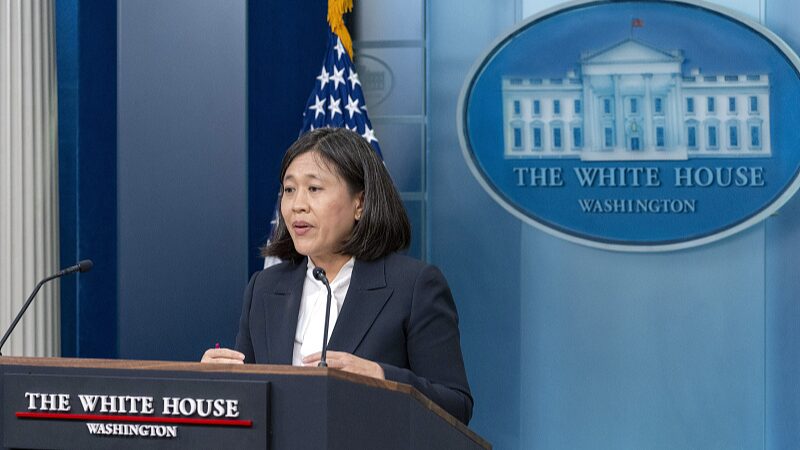
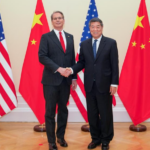
As senior Chinese and American officials convened in Paris this week for critical trade discussions, new investigations launched by Washington cast uncertainty over efforts to stabilize bilateral economic relations. The March 2026 talks occurred against the backdrop of two expansive U.S. trade probes targeting multiple nations, with analysts noting particular implications for the Chinese mainland.
A Delicate Diplomatic Balance
Chinese International Trade Representative Li Chenggang emphasized the risks of unilateral measures during the Paris meetings, stating: "Section 301 investigations disrupt the progress achieved through recent consultations." This year's discussions followed multiple rounds of successful 2025 negotiations that had begun easing trade tensions.
Legal Shifts Drive Policy Changes
The renewed focus on Section 301 authority follows recent U.S. judicial developments. Chinese Vice Premier He Lifeng referenced a 2026 Supreme Court ruling that limited executive power under the International Emergency Economic Powers Act, potentially driving Washington's return to 1974 trade legislation to maintain tariff mechanisms.
Global Supply Chains in Focus
While U.S. officials frame the investigations as addressing global overcapacity concerns, Chinese representatives highlight the interdependence of modern production networks. The 10% import surcharge imposed through Section 122 this month has particularly drawn scrutiny as businesses seek predictable trade conditions.
As both nations navigate this complex landscape, the Paris meetings underscore the challenge of aligning domestic policy tools with the realities of deeply integrated international markets.