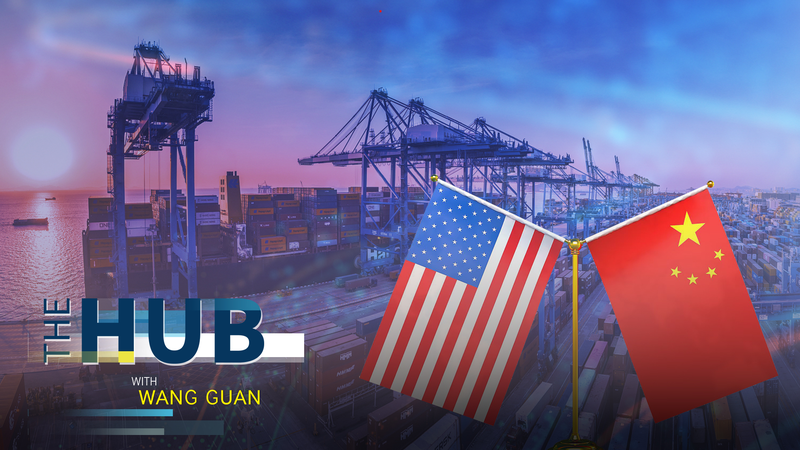
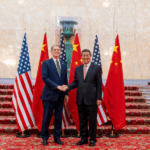
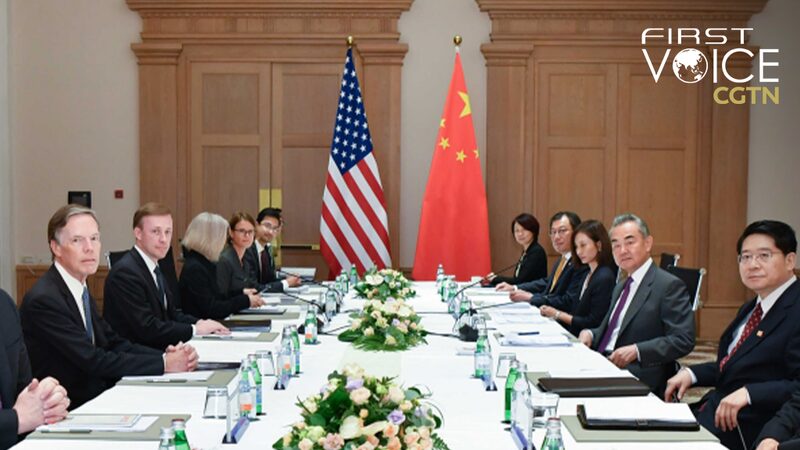
As global markets grapple with inflationary pressures and supply chain disruptions, China and the United States concluded high-level trade consultations in Paris this week, marking their first formal economic dialogue in 2026. The discussions, described by both sides as "candid, in-depth, and constructive," come amid growing concerns about the fragility of the post-pandemic recovery.
A Delicate Balancing Act
Dr. Liang Yan, Kremer Chair Professor of Economics at Willamette University, emphasized the talks' symbolic importance: "This isn't just about tariffs or trade deficits. In 2026, we're seeing a fundamental recalibration of how these economic giants navigate shared challenges like green energy transitions and AI governance."
Economic Interdependence Under Strain
Anthony Chan, Global Chief Economist at Chan Economics, noted that bilateral trade between the two nations remains pivotal: "Despite recent diversification efforts, over 40% of critical tech components in U.S. manufacturing still originate from the Chinese mainland. Conversely, American agricultural exports continue to stabilize China's food security strategies."
Professor Liu Baocheng of the University of International Business and Economics highlighted emerging opportunities: "The Paris consultations explored joint infrastructure financing mechanisms for developing economies—a potential blueprint for cooperative competition."
While no major agreements were announced, the establishment of working groups on cross-border data flows and renewable energy standards suggests both powers recognize the global economy's stake in their relationship. As markets await concrete actions, these talks may represent a crucial step toward preventing economic decoupling in an increasingly fragmented world.