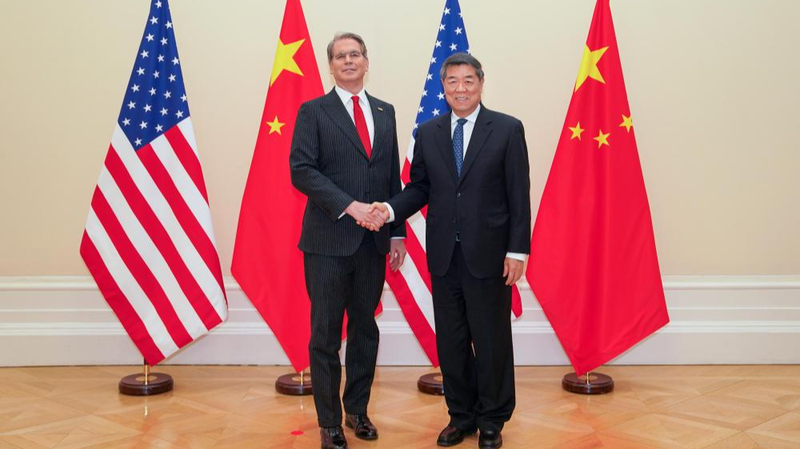
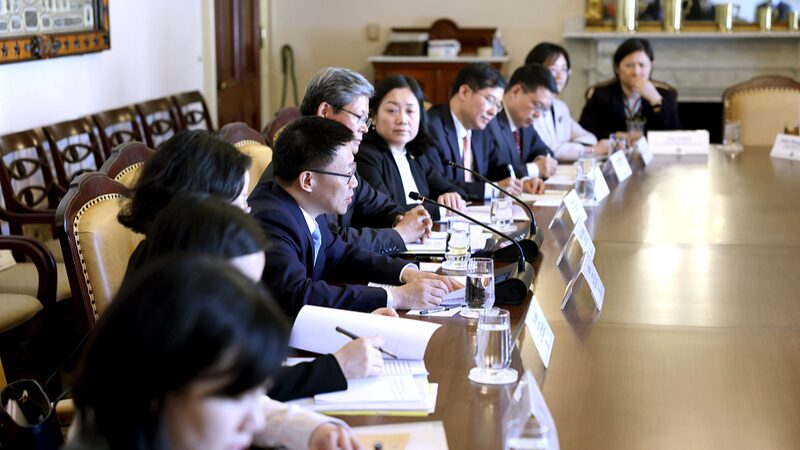
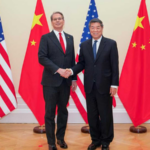
Economic teams from China and the United States concluded two days of high-level talks in Paris this week, marking another step toward stabilizing one of the world's most critical economic relationships. The March 15-16 consultations at the OECD headquarters saw Chinese Vice Premier He Lifeng and U.S. Treasury Secretary Scott Bessent lead discussions focused on maintaining trade stability and exploring cooperative frameworks.
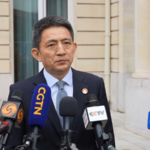
Chinese International Trade Representative Li Chenggang characterized the dialogue as "in-depth, candid and constructive," highlighting progress on maintaining stable bilateral tariff levels and establishing new working mechanisms for trade cooperation. The talks built on multiple rounds of consultations over the past year that have evolved into a crucial platform for managing differences.
While addressing recent tensions – including new U.S. Section 301 investigations into Chinese industrial practices – both sides reaffirmed their commitment to dialogue as the primary tool for resolving disputes. Li emphasized Beijing's concerns about unilateral measures potentially destabilizing economic relations, while underscoring China's consistent position on such matters.
The negotiations occurred against a backdrop of global economic uncertainty, with participants acknowledging the need for institutional guardrails to manage complex interdependencies. Proposed frameworks for structured cooperation in trade and investment aim to create predictable conditions for businesses, particularly vital for investors navigating evolving supply chains.
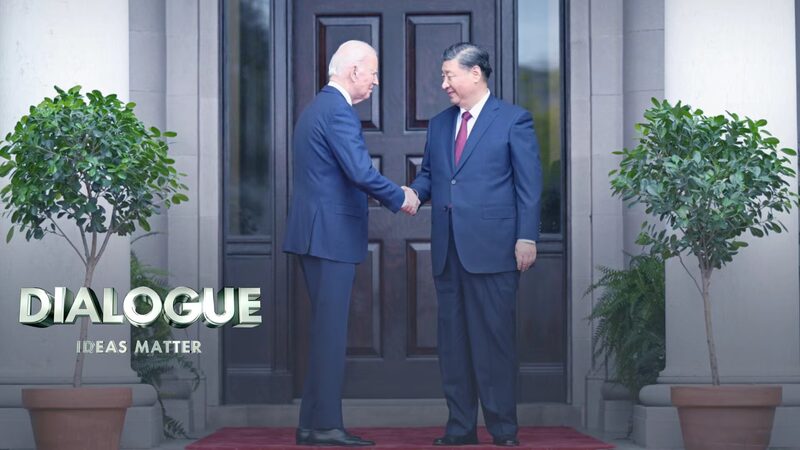
Analysts note the continued importance of leadership-level guidance in maintaining strategic stability, referencing earlier understandings between the two nations' leaders on principles of mutual respect and win-win cooperation. As the world's two largest economies work to align their economic "ships," these consultations demonstrate how sustained dialogue helps prevent competition from escalating into confrontation.