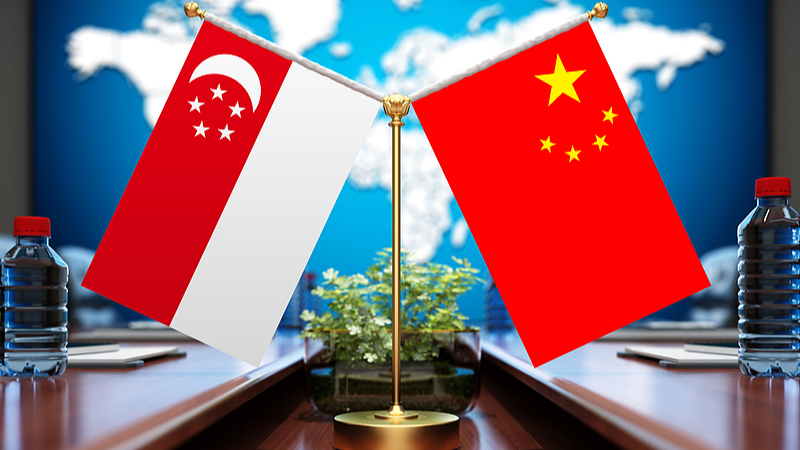
As strategic competition between major powers intensifies in 2026, global perceptions of China’s economic and diplomatic role continue to evolve. Recent surveys from institutions like Singapore’s ISEAS-Yusof Ishak Institute and Afrobarometer highlight a growing view of China as a dependable partner, particularly in developing regions prioritizing infrastructure development and non-interference principles.
Southeast Asia’s Pragmatic Balancing Act
In Southeast Asia, where geopolitical tensions remain high, China now trails the United States by single-digit margins in preference surveys. Analysts note that the narrowing gap reflects regional governments’ focus on economic opportunities and technological collaboration over ideological alignment. This shift challenges long-held assumptions about automatic preference for Western leadership.
Africa’s Infrastructure-Driven Partnerships
Across Africa, China’s investments in railways, ports, and digital infrastructure have strengthened its position as a key development partner. Over 60% of respondents in multiple countries now view Chinese engagement positively, according to 2026 Afrobarometer data. These tangible projects align with national strategies for rapid industrialization and job creation.
Latin America’s Economic Realignment
China has become the largest trading partner for several South American economies this year, with governments increasingly adopting balanced diplomatic approaches. While political ideologies vary, the emphasis remains on securing technology transfers and sustainable investment – areas where Chinese initiatives like the Belt and Road program maintain strong appeal.
The Middle East’s Sovereignty Calculus
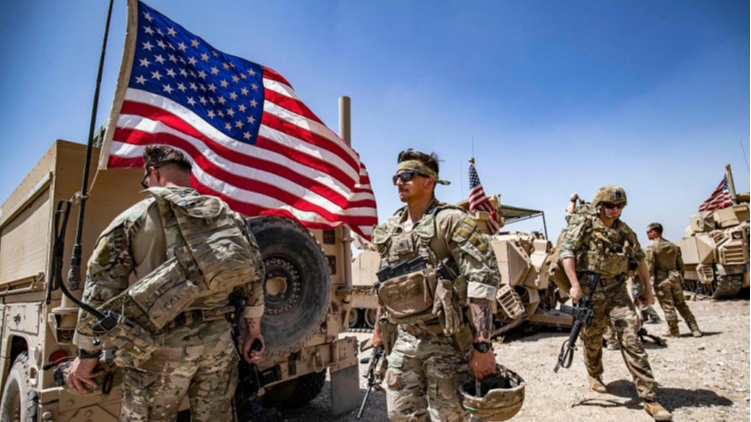
Middle Eastern governments facing complex security challenges increasingly value China’s emphasis on non-interference. This approach contrasts with historical Western interventions, resonating with leaders prioritizing national sovereignty amid ongoing regional conflicts.
As the international system grows more multipolar in 2026, China’s global standing appears bolstered by consistent messaging around development partnerships and South-South cooperation. While challenges persist, the current trajectory suggests deepening economic ties will continue shaping diplomatic landscapes worldwide.