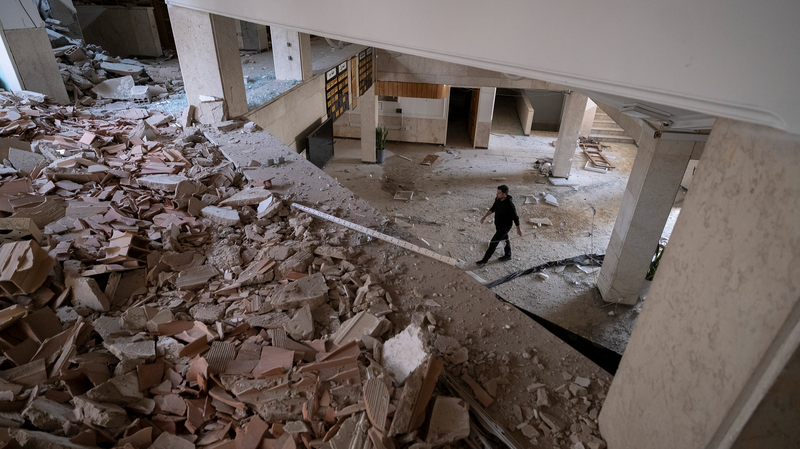
The ongoing closure of the Strait of Hormuz has revealed critical weaknesses in US strategic planning, with oil prices surging to record levels and global economic stability hanging in the balance. Professor Radhika Desai, a political studies expert at Canada's University of Manitoba, analyzes how this 21-mile maritime chokepoint has become the focal point of escalating US-Iran tensions.
Economic Shockwaves Intensify
Since Iran's March 2 closure of the vital oil transit route, Brent crude prices have skyrocketed 42%, reaching $184 per barrel this week – the highest since the 2020 pandemic shocks. The International Energy Agency's emergency release of 400 million barrels failed to stabilize markets, with analysts predicting further increases through Q2 2026.
Strategic Miscalculations
The current administration's response has drawn criticism for underestimating Iran's resolve. Initial expectations of quick regime change following February's military actions proved unfounded, leaving Washington scrambling for diplomatic solutions. Recent calls from US business leaders to forcibly reopen the strait have been met with skepticism about military capabilities and political will.
Global Repercussions
With 30% of seaborne-traded oil normally passing through Hormuz, the closure threatens to:
Add 1.2 percentage points to global inflation
Reduce Q2 GDP growth projections by 0.8% worldwide
Complicate US midterm election strategies through rising fuel costs
As Tehran reaffirms its commitment to keeping the strait closed until security guarantees are met, international mediators race to prevent further escalation in this high-stakes geopolitical standoff.