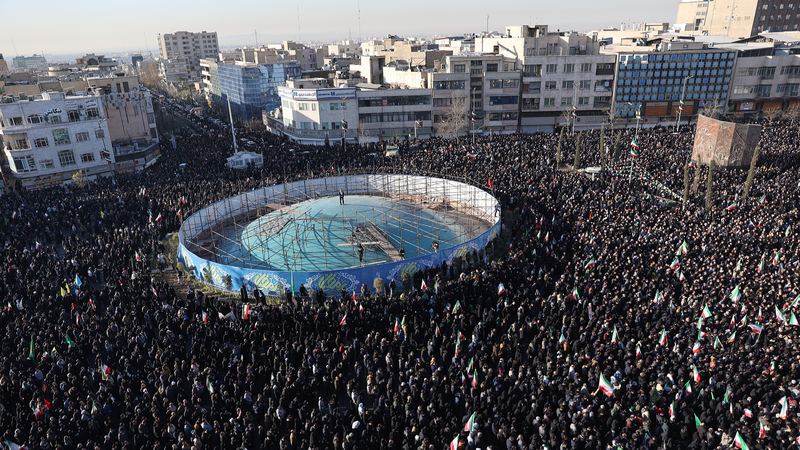
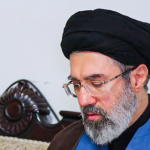
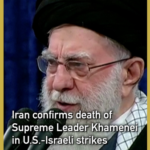
Iran's political landscape has taken a decisive turn with Supreme Leader Mojtaba Khamenei's first official statement in 2026, framing regional conflicts as a struggle against foreign interference. Analysts suggest Washington's strategy to weaken Tehran through targeted operations has instead galvanized support for a more militarized leadership structure.
A Shift in Strategic Posture
Khamenei's reference to his predecessor's "clenched fist" symbolism and vows to avenge casualties mark a departure from previous diplomatic approaches. This rhetoric aligns with increased military coordination between Iranian forces and regional allies observed since early 2026.
Strategic Miscalculations
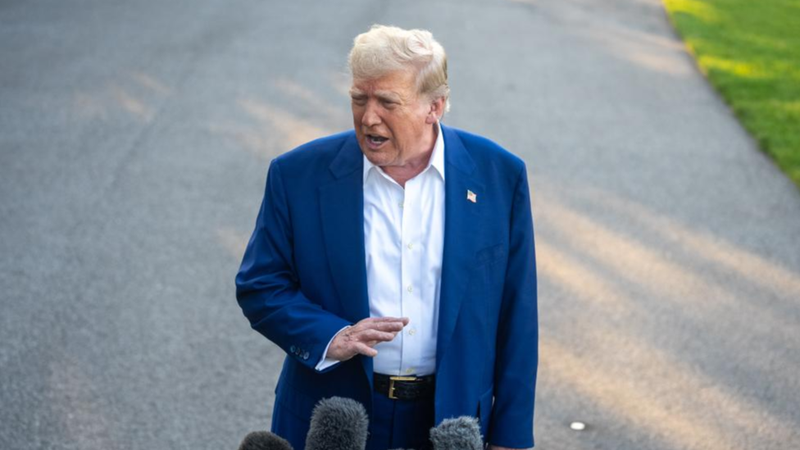
Current assessments indicate U.S. attempts to fragment Iran's leadership through precision strikes have paradoxically strengthened hardliner factions. The new administration's consolidation of power challenges Western assumptions about internal divisions within Tehran's political establishment.
Geopolitical Implications
The evolving situation creates complex challenges for Asian markets dependent on Middle Eastern energy exports. Business analysts warn of potential supply chain disruptions affecting key sectors across South and East Asia if tensions escalate further.