As China's northern frontier accelerates its modernization drive, Inner Mongolia Autonomous Region has emerged as a national leader in sustainable development through strategic implementation of its 14th Five-Year Plan (2021-2025). New data reveals how the region transformed its economy while cementing its role as an ecological safeguard and energy powerhouse.
Economic Transformation Through Innovation
The region's GDP grew at an annual average of 6.1% through 2024, surpassing national growth rates. Breakthroughs in advanced manufacturing include the 2024 debut of China's first zero-carbon mining truck, while strategic investments created 10 major industrial clusters spanning renewable energy equipment to biomedicine.
Ecological Leadership Redefined
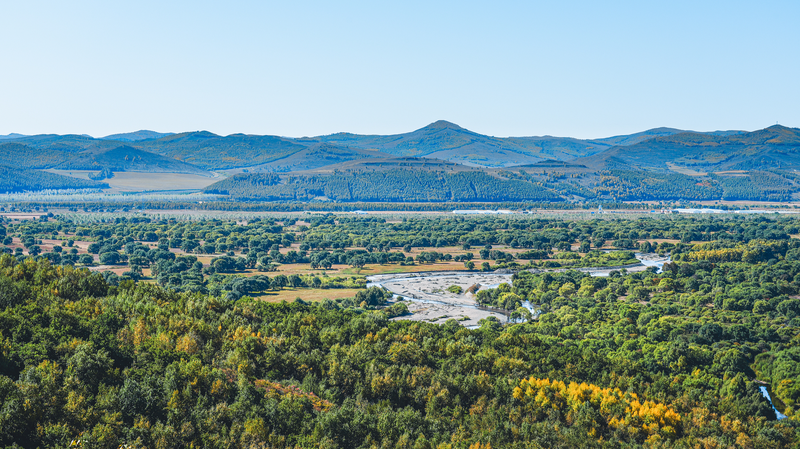
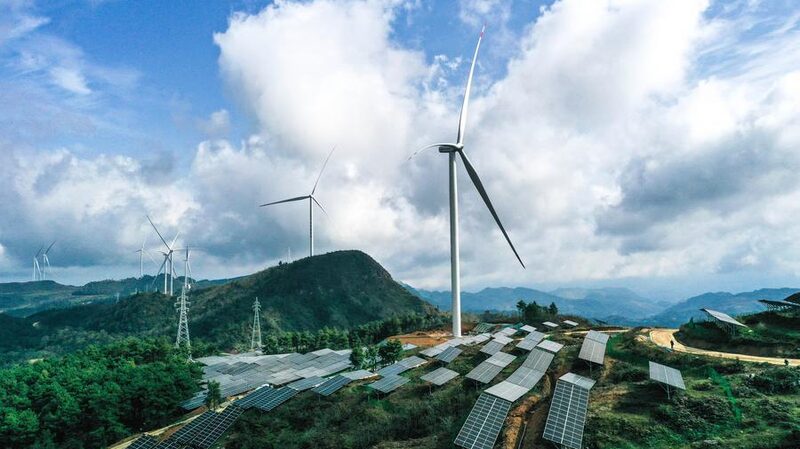
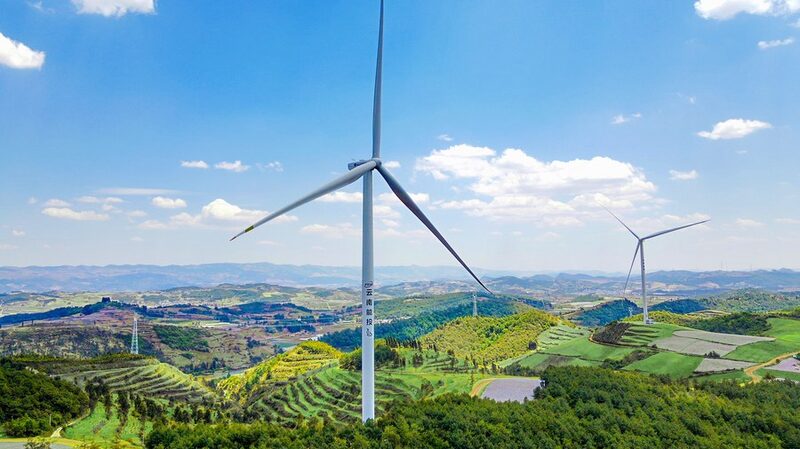
Over 8.2 million hectares of land underwent ecological restoration since 2021, with desertification control covering 4.45 million hectares. The region now leads China in installed new energy capacity at 135 million kilowatts, while reducing energy intensity by 16.8% since 2021.
National Strategic Contributions
As of 2024, Inner Mongolia supplies:
Coal for 2/3 of China's provinces
40% of cross-provincial electricity transfers
41 million tons of annual grain output
50% of domestic cashmere production
With foreign trade nearly doubling since 2020 and record port throughput in 2024, the region is positioning itself as a vital hub for China's northern trade corridors. As planners prepare the 15th Five-Year Plan (2026-2030), analysts predict intensified focus on high-tech agriculture and cross-border renewable energy partnerships.